Celebrating the Giants: The Most Popular, Largest, and Fiercest Dinosaurs
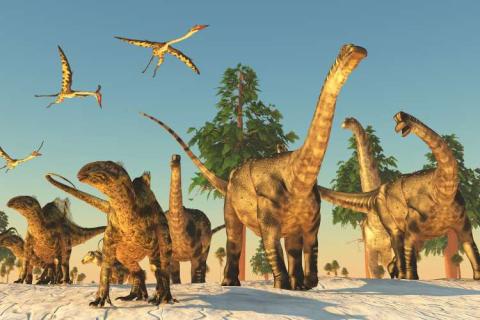
Dinosaurs have captured the imagination of people for generations, with their colossal sizes, fierce appearances, and unique features. Celebrating Dinosaur Days, from Tyrannosaurus rex Day to Iguanodon Day, is a thrilling way to honor the diverse and fascinating world of dinosaurs. Each of these special days, including Triceratops Day, Stegosaurus Day, and Deinonychus Day, provides an opportunity to delve into the rich history of these ancient creatures, from their groundbreaking discoveries to their cultural impact.
Tyrannosaurus Rex Day: Celebrate the Fierce King
T-Rex Day honors the date First Named: September 9, 1905
Discovered By: Barnum Brown
Tyrannosaurus rex, often simply known as T. rex, is arguably the most famous dinosaur. This apex predator roamed the Earth during the late Cretaceous period, around 68 to 66 million years ago. Standing about 20 feet tall and measuring up to 40 feet in length, T. rex had a massive skull filled with large, sharp teeth perfect for tearing through flesh. Its formidable presence in popular culture, especially in movies like "Jurassic Park," has solidified its reputation as the quintessential dinosaur.
Argentinosaurus Day: Celebrate the Colossal Titan
First Named: November 21, 1993
Discovered By: Guillermo Heredia
Argentinosaurus is one of the largest known dinosaurs, belonging to a group called the sauropods. This giant herbivore lived during the Late Cretaceous period, around 94 to 97 million years ago, in what is now Argentina. Estimates suggest that Argentinosaurus could reach lengths of up to 100 feet and weigh as much as 100 tons. Its sheer size and the fact that only partial fossils have been found make it a subject of ongoing fascination and study.
Velociraptor Day: Celebrate the Swift Predator
First Named: August 11, 1924
Discovered By: Henry Fairfield Osborn
Velociraptor, meaning "swift thief," was a small but agile predator that lived during the late Cretaceous period, approximately 75 to 71 million years ago. Contrary to its portrayal in popular media, such as "Jurassic Park," the real Velociraptor was about the size of a turkey, measuring around 6 feet in length and weighing up to 33 pounds. Its sharp claws and keen hunting abilities made it a formidable predator, often hunting in packs.
Spinosaurus Day: Celebrate the Aquatic Giant
First Named: April 10, 1915
Discovered By: Ernst Stromer
Spinosaurus, known for its distinctive sail-like spine, was one of the largest carnivorous dinosaurs, surpassing even T. rex in size. Living during the mid-Cretaceous period, around 112 to 93 million years ago, Spinosaurus is believed to have been semi-aquatic, hunting fish and possibly other dinosaurs. This unique adaptation sets it apart from other large predators. Its sail, possibly used for thermoregulation or display, adds to its unusual and striking appearance.
Stegosaurus Day: Celebrate the Armored Herbivore
First Named: December 31, 1877
Discovered By: Othniel Charles Marsh
Stegosaurus, a herbivorous dinosaur from the Late Jurassic period (around 155 to 150 million years ago), is known for its distinctive row of bony plates along its back and spiked tail, known as a thagomizer. Despite its fearsome appearance, Stegosaurus primarily fed on low-lying plants. Its plates may have been used for display, thermoregulation, or protection. Standing about 14 feet tall and measuring up to 30 feet in length, Stegosaurus is one of the most easily recognizable dinosaurs.
Triceratops Day: Celebrate the Three-Horned Face
First Named: October 12, 1889
Discovered By: Othniel Charles Marsh
Triceratops is another well-known dinosaur, famous for its three facial horns and large bony frill. This herbivore lived during the late Cretaceous period, around 68 to 66 million years ago. Measuring up to 30 feet in length and weighing as much as 12 tons, Triceratops used its horns and frill for defense against predators and possibly for mating displays. Its imposing appearance and frequent depiction in media make it one of the most popular dinosaurs.
Ankylosaurus Day: Celebrate the Armored Tank
First Named: September 24, 1908
Discovered By: Barnum Brown
Ankylosaurus, known for its heavily armored body and club-like tail, lived during the late Cretaceous period, approximately 68 to 66 million years ago. This herbivorous dinosaur was built like a tank, with thick, bony plates covering its back and sides, providing protection against predators. The tail club could deliver powerful blows to deter attackers. Measuring around 20 to 26 feet in length and weighing up to 6 tons, Ankylosaurus is a prime example of defensive adaptation in dinosaurs.
Brachiosaurus Day: Celebrate the Long-Necked Giant
First Named: January 7, 1903
Discovered By: Elmer S. Riggs
Brachiosaurus, a massive sauropod, lived during the Late Jurassic period, around 154 to 153 million years ago. Known for its long neck and towering stature, Brachiosaurus could reach heights of up to 40 feet and lengths of around 85 feet. Unlike other sauropods, its front legs were longer than its hind legs, giving it a distinctive stance. This herbivore likely fed on high vegetation, using its long neck to reach leaves and branches far above the ground.
Allosaurus Day: Celebrate the Fierce Predator
First Named: July 2, 1877
Discovered By: Othniel Charles Marsh
Allosaurus, a large theropod dinosaur, lived during the Late Jurassic period, around 155 to 145 million years ago. Measuring up to 39 feet in length and weighing around 2.5 tons, Allosaurus was a top predator of its time. It had sharp, serrated teeth and strong, clawed limbs, making it an effective hunter. Allosaurus fossils have been found in large numbers, suggesting that it was one of the most common large predators of its era.
Diplodocus Day: Celebrate the Longest Dinosaur
First Named: February 25, 1878
Discovered By: Samuel Wendell Williston
Diplodocus, another well-known sauropod, lived during the Late Jurassic period, around 154 to 152 million years ago. Renowned for its incredible length, Diplodocus could reach lengths of up to 90 feet. Its long, whip-like tail and elongated neck are distinctive features. Diplodocus was a herbivore, using its peg-like teeth to strip leaves from branches. The discovery of nearly complete skeletons has provided significant insights into its anatomy and lifestyle.
Deinonychus Day: Celebrate the Agile Hunter
First Named: July 1, 1969
Discovered By: John H. Ostrom
Deinonychus, meaning "terrible claw," was a small but agile predator that lived during the Early Cretaceous period, around 115 to 108 million years ago. Measuring about 11 feet in length and weighing up to 220 pounds, Deinonychus was known for its large, sickle-shaped claw on each hind foot. This claw was likely used to slash at prey, making it an effective hunter. The discovery of Deinonychus significantly influenced the modern depiction of dinosaurs as active, dynamic creatures.
Iguanodon Day: Celebrate the Thumb-Spiked Herbivore
First Named: July 10, 1825
Discovered By: Gideon Mantell
Iguanodon was one of the first dinosaurs ever discovered and named. Living during the Early Cretaceous period, around 126 to 125 million years ago, Iguanodon was a large herbivore measuring up to 33 feet in length and weighing around 4.5 tons. It is famous for its thumb spikes, which were likely used for defense against predators. Iguanodon could walk on both two and four legs, making it a versatile and adaptive dinosaur.
Dinosaurs continue to captivate us with their diversity and the mysteries that surround their existence. From the fearsome T. rex to the colossal Argentinosaurus and the armored Ankylosaurus, each species offers a unique glimpse into the prehistoric world. As new discoveries are made and technologies advance, our understanding of these ancient giants will only deepen, adding more chapters to the ever-fascinating story of dinosaurs.
These celebrations unite dinosaur enthusiasts and paleontologists by fostering curiosity, sharing knowledge, and sparking joy through social media, educational events, and creative activities. By dedicating time to these remarkable dinosaurs, we connect with a global community of dinosaur lovers, celebrate the wonders of the prehistoric world, and keep the spirit of exploration and discovery alive.
Celebrate