The Origins of 30 Christmas Traditions We Celebrate Today
Christmas is a holiday rich with traditions, many of which have deep roots in ancient history, while others have evolved over centuries. The customs we celebrate today come from a blend of Christian, pagan, and modern practices, creating the festive season we know and love.
1. Christmas Tree
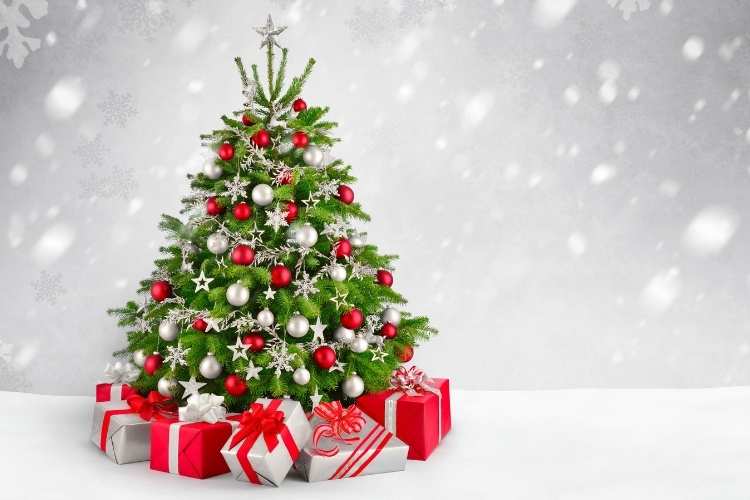
The Christmas tree, perhaps one of the most recognizable symbols of the holiday, originated in Germany. In the 16th century, devout Christians brought decorated trees into their homes, a practice that spread across Europe and eventually to America. The evergreen tree itself symbolizes life and resilience, remaining green even during the harsh winter months. Prince Albert, husband of Queen Victoria, popularized the tree in Britain in the 19th century, and the tradition quickly made its way to the United States.
2. Christmas Tree Ornaments
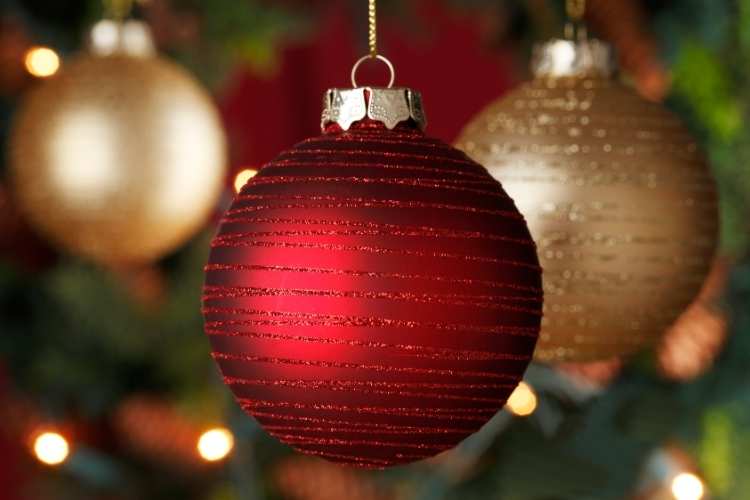
The tradition of hanging ornaments on a Christmas tree can be traced back to 16th-century Germany, where trees were originally decorated with edible treats like apples, nuts, and sweets. As time passed, glass ornaments and tinsel replaced food items, and by the 19th century, elaborate decorations became commonplace.
3. Christmas Pickle
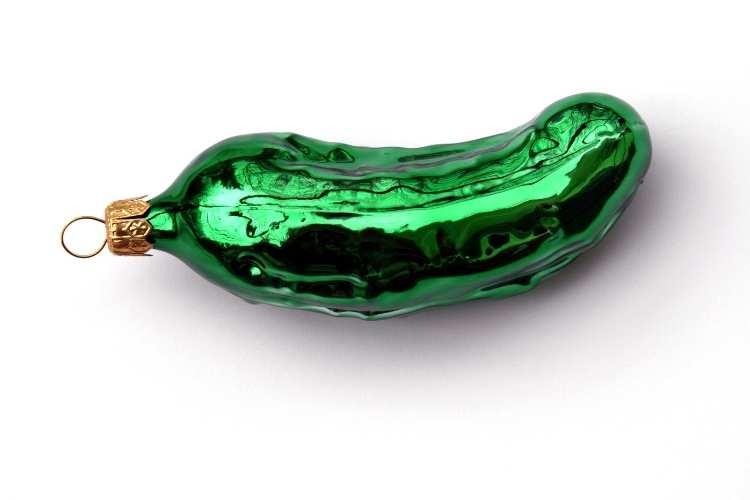
The Christmas pickle is a quirky tradition believed to have started in Germany, though many Germans are unfamiliar with it! According to legend, a glass pickle ornament is hidden on the Christmas tree, and the first person to find it gets a special reward, such as an extra gift or good luck for the year ahead. However, the tradition seems to have gained popularity in the United States, and there’s debate about whether it truly originated in Germany or if it was a marketing invention.
4. Christmas Wreaths

The tradition of Christmas wreaths comes from ancient Rome, where wreaths made of evergreens were hung on doors as symbols of victory and eternal life. In Christianity, the circular shape of the wreath represents God’s eternal love and the hope of eternal life through Christ. Wreaths are now a common Christmas decoration, symbolizing both the season’s festive spirit and its deeper meanings.
5. Mistletoe

Mistletoe, a plant often hung in doorways, has pagan origins. The Druids believed mistletoe had magical properties that could bring good fortune, fertility, and healing. The tradition of kissing under the mistletoe likely stems from these ancient associations with fertility and love, though the custom became particularly popular in Victorian England.
6. Poinsettias

The Poinsettia, a vibrant red plant often used in Christmas decor, is native to Mexico. It became associated with Christmas in the 16th century when a Mexican legend told of a poor girl who, having no gift to offer the Christ child, gathered weeds, which miraculously turned into beautiful red flowers. The plant was introduced to the United States by Joel Poinsett, the first U.S. ambassador to Mexico.
7. Holly and Ivy

The use of holly and ivy in Christmas decorations stems from pagan traditions, where these evergreens symbolized protection and eternal life. Christians later adopted these plants as symbols of Christ’s suffering (the sharp holly leaves representing the crown of thorns) and resurrection (the evergreen nature of the plants symbolizing eternal life).
8. Yule log
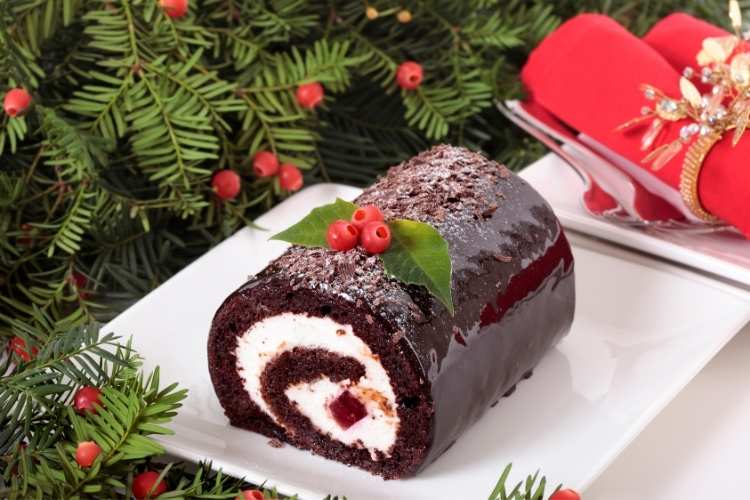
The Yule log, a large wooden log burned in the hearth during the Christmas season, has its origins in ancient Norse and Celtic traditions. The Yule log was lit to symbolize the return of the sun after the winter solstice. Today, the tradition lives on in various forms, including the edible Yule log cake, which is shaped like a wooden log.
9. Christmas Lights

Christmas lights are a modern adaptation of the candles that used to adorn Christmas trees in the 17th and 18th centuries. The use of lights during the darkest days of winter reflects an ancient desire to drive away darkness and welcome the return of the sun. Electric Christmas lights were first introduced in the late 19th century by Thomas Edison, and by the early 20th century, they became a fixture in holiday decorating.
10. Stockings
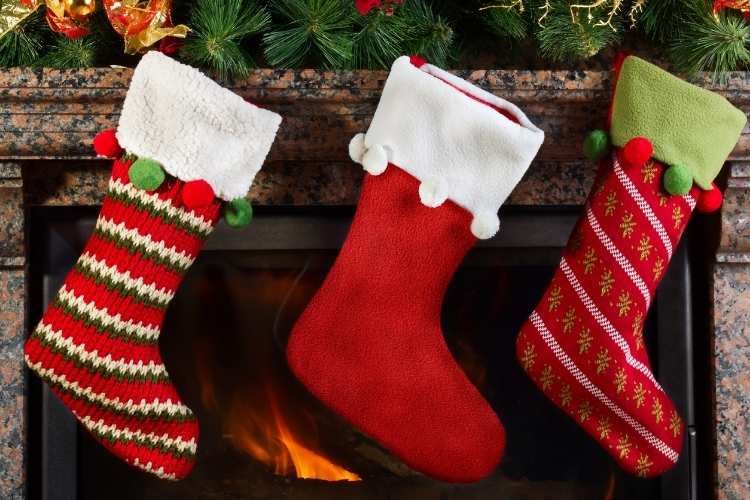
The practice of hanging stockings by the fireplace traces back to the legend of Saint Nicholas. As the story goes, the kind bishop threw bags of gold through the window of a poor man’s home, and one of the bags landed in a stocking hung by the fire to dry. This story gave rise to the custom of filling stockings with small gifts and treats for children.
11. Santa Claus
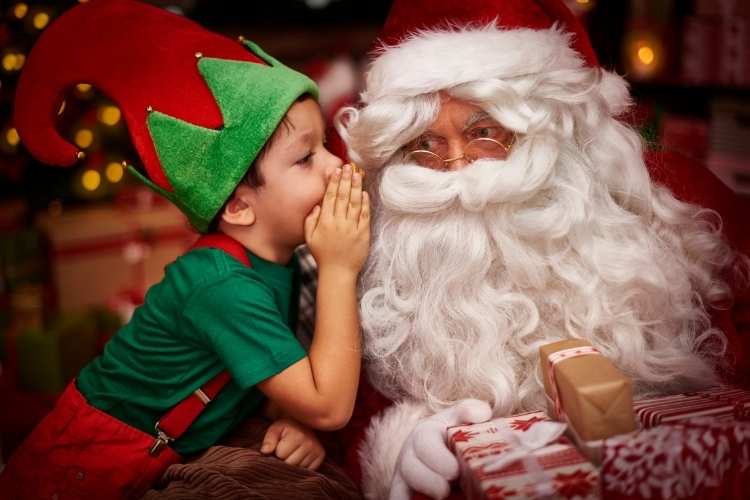
Santa Claus, the jolly figure who delivers gifts to children on Christmas Eve, is a blend of historical, mythical, and religious figures. He is primarily based on Saint Nicholas, a 4th-century Greek bishop known for his generosity toward children. The modern image of Santa Claus as a rotund, white-bearded man in a red suit was solidified in the 19th century, with significant contributions from the poem “A Visit from St. Nicholas” (more commonly known as “’Twas the Night Before Christmas”) and Coca-Cola’s iconic advertisements in the 1930s.
12. Department store Santa
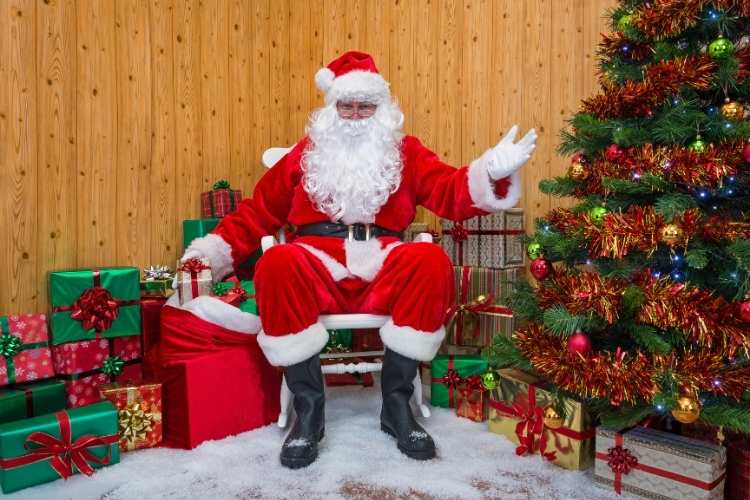
The concept of a department store Santa was born in the late 19th century when stores began to realize that having Santa present during the holiday season could drive traffic and sales. The very first department store Santa is believed to have appeared in 1890, hired by the department store mogul James Edgar in Brockton, Massachusetts. The idea was to create a magical, personal connection for children and their families, where they could meet Santa Claus and share their Christmas wishes. This idea expanded rapidly, with the famous Macy’s in New York City featuring Santa starting in 1862. The practice eventually spread worldwide, making Santa’s presence in malls and stores a cherished part of the holiday shopping experience.
13. Reindeer and Santa’s sleigh

Reindeer and Santa’s sleigh became part of Christmas lore in the early 19th century. Clement Clarke Moore's famous poem A Visit from St. Nicholas ("'Twas the Night Before Christmas") first introduced the idea of Santa Claus flying through the night sky in a sleigh pulled by eight reindeer. This whimsical image became an enduring part of Christmas folklore, later popularized through songs like "Rudolph the Red-Nosed Reindeer."
14. Gift-giving

The act of gift-giving at Christmas has roots in both Christian and Roman traditions. In Christianity, it commemorates the gifts brought to the baby Jesus by the three wise men. The Romans, during their Saturnalia festival, also exchanged gifts to celebrate the season. The commercialization of gift-giving expanded in the 19th century, when Christmas began to shift toward a family-oriented, consumer-driven holiday.
15. Christmas Cards
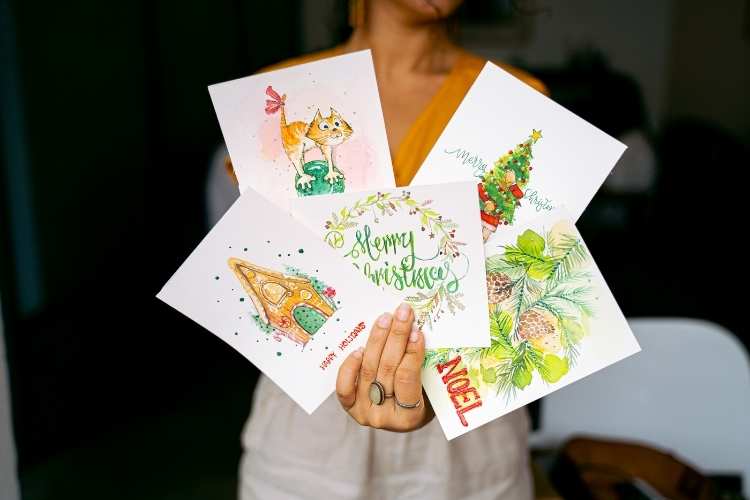
The tradition of sending Christmas cards began in the mid-19th century when Sir Henry Cole, a British civil servant, commissioned the first commercial Christmas card in 1843. The card depicted scenes of festive celebrations and encouraged people to reconnect with loved ones during the holiday season. The practice quickly caught on, and today, millions of cards are exchanged around the world.
16. Caroling
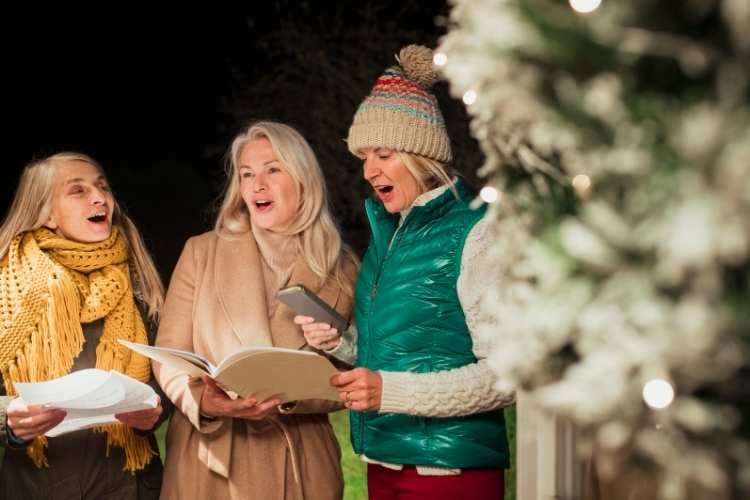
Caroling, or the practice of singing festive songs from door to door, is rooted in both religious and secular traditions. Early carols were not specifically Christmas-related but were songs sung during festivals and celebrations throughout the year. By the Middle Ages, caroling became associated with Christmas, and singers would travel from home to home, bringing cheer to their neighbors.
17. Advent calendars
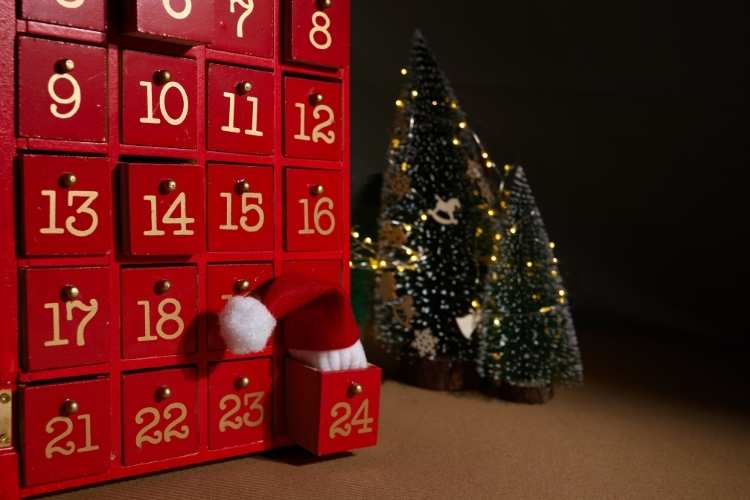
The practice of Advent calendars began in the early 19th century in Germany as a way to count down the days until Christmas. The first printed Advent calendar appeared in the early 1900s, with doors or windows that opened to reveal small pictures or verses. Today, many Advent calendars contain chocolates, toys, or other treats, making the countdown to Christmas especially exciting for children.
18. Nativity scenes
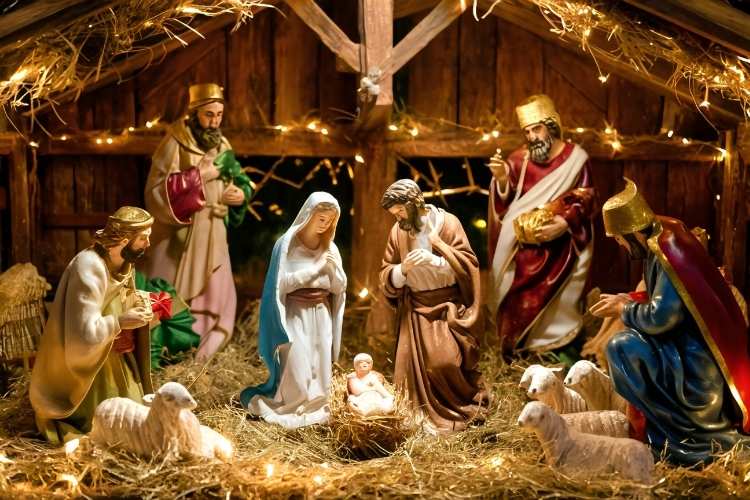
The tradition of Nativity scenes depicting the birth of Jesus is believed to have been popularized by Saint Francis of Assisi in the 13th century. He created the first live Nativity scene in an Italian village, using animals and local villagers to reenact the story. Today, Nativity scenes, both live and inanimate, are displayed in homes and churches around the world.
19. Elf on the Shelf
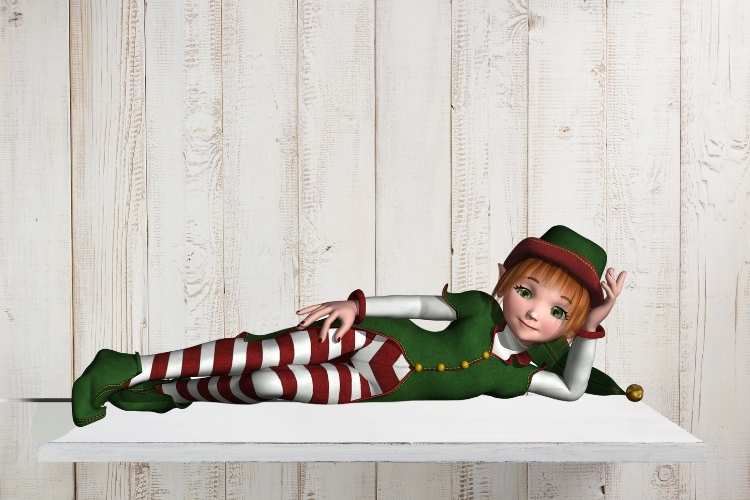
Elf on the Shelf is a much more recent tradition, having started in 2005 with the publication of The Elf on the Shelf: A Christmas Tradition by Carol Aebersold and her daughter Chanda Bell. The story revolves around a magical scout elf sent by Santa to watch over children and report their behavior back to the North Pole. The elf "moves" to different locations in the house each night, and the tradition has since become a beloved (and sometimes mischievous) part of modern Christmas celebrations, with families creating elaborate elf scenarios each day leading up to Christmas.
20. Ugly Christmas sweaters
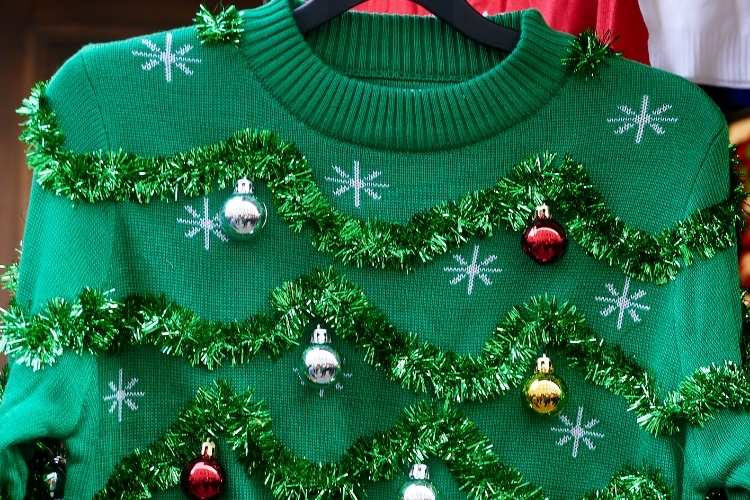
Ugly Christmas sweaters are a relatively modern phenomenon, gaining popularity in the 1980s. Originally, these sweaters, often featuring loud, colorful, and festive designs, were worn in a sincere effort to embrace the holiday spirit. Over time, they became synonymous with kitsch and humor. By the early 2000s, "ugly Christmas sweater parties" became a fun way to celebrate the holidays in a lighthearted and playful manner. Now, the trend is not only embraced by individuals but also by retailers, with entire lines of ugly Christmas sweaters being designed specifically for the holiday season.
21. The Nutcracker
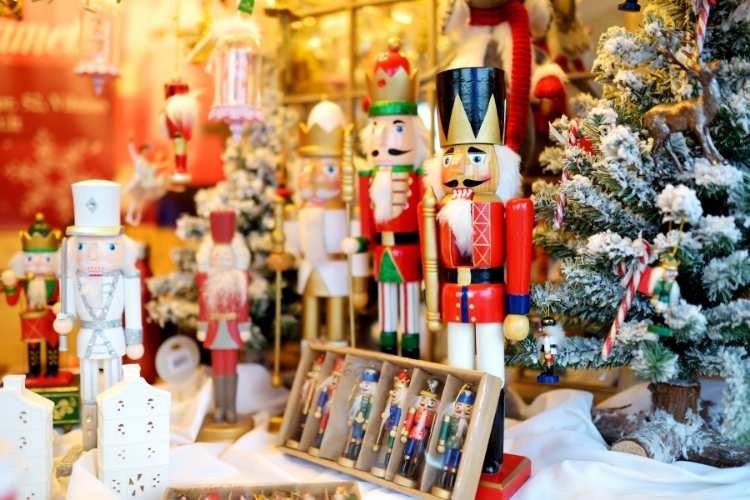
The Nutcracker, a ballet that has become a holiday tradition in many countries, is based on The Nutcracker and the Mouse King, a story by E.T.A. Hoffmann. The ballet, with music composed by Pyotr Ilyich Tchaikovsky, premiered in St. Petersburg, Russia, in 1892. While the initial reception was lukewarm, the ballet gained immense popularity in the 20th century, especially in the U.S., where it became a holiday staple. The magical story of Clara, her nutcracker prince, and their adventures has made The Nutcracker a timeless tradition, often performed by ballet companies around the world during the Christmas season.
22. Gingerbread Houses
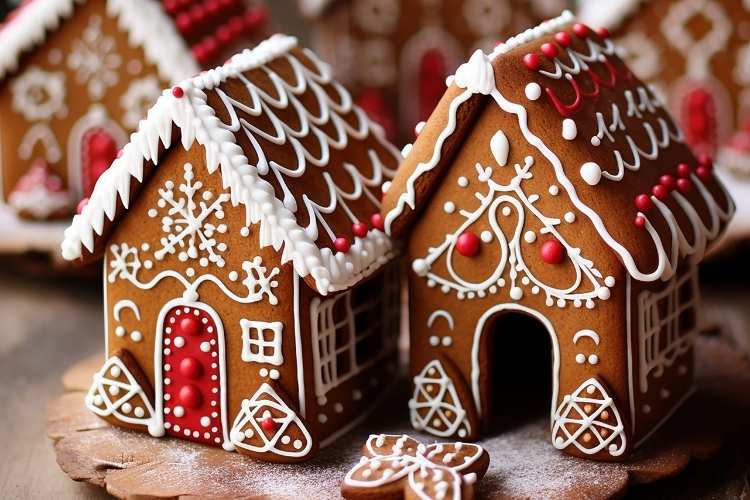
Gingerbread houses have their origins in Germany, closely associated with the Brothers Grimm's tale of Hansel and Gretel. After the publication of the story in the early 19th century, the tradition of baking houses made of gingerbread gained popularity during the Christmas season. Gingerbread itself dates back to medieval Europe, where it was used in religious ceremonies. Over time, the practice evolved, and intricate gingerbread houses became a festive staple, especially in German and Scandinavian communities. Today, building gingerbread houses is a beloved activity for families around the world, often part of holiday decorating traditions.
23. Candy Canes

Candy canes originated in 17th-century Germany, where they were shaped like shepherds’ crooks to symbolize the shepherds who visited the baby Jesus. Originally just white sticks, they were later decorated with red stripes and flavored with peppermint. The modern candy cane is both a sweet treat and a symbol of Christmas traditions.
24. Eggnog
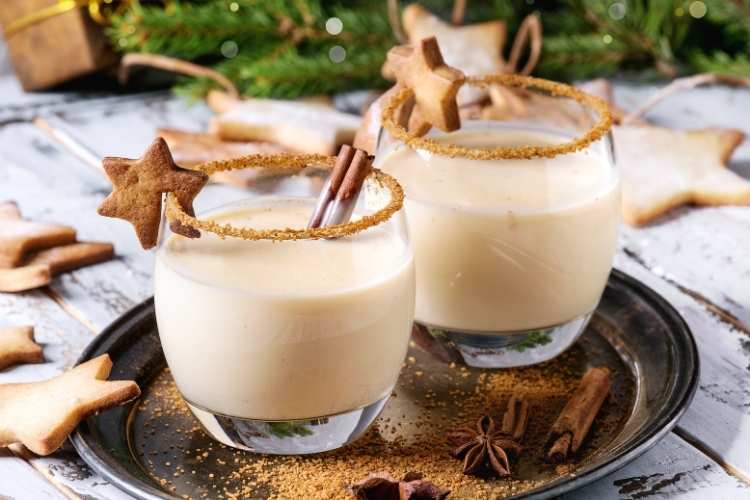
Eggnog, a rich, creamy drink traditionally made with eggs, milk, and spices, has its roots in British aristocracy. The drink was adapted from “posset,” a hot, milky beverage consumed in medieval times. Eggnog became associated with Christmas in America during the colonial period, where it was spiked with rum to keep revelers warm during winter celebrations.
25. Christmas Crackers
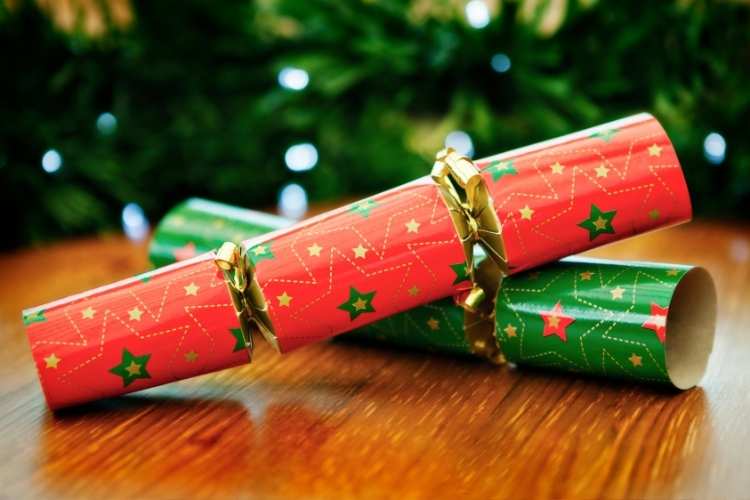
Christmas crackers, those festive paper tubes that snap when pulled, were invented by a British confectioner named Tom Smith in 1847. Inspired by French bonbons wrapped in paper, Smith added small gifts, paper crowns, and jokes inside. The cracking sound is produced by a strip of chemically impregnated paper, adding to the fun of the tradition.
26. Baking Cookies
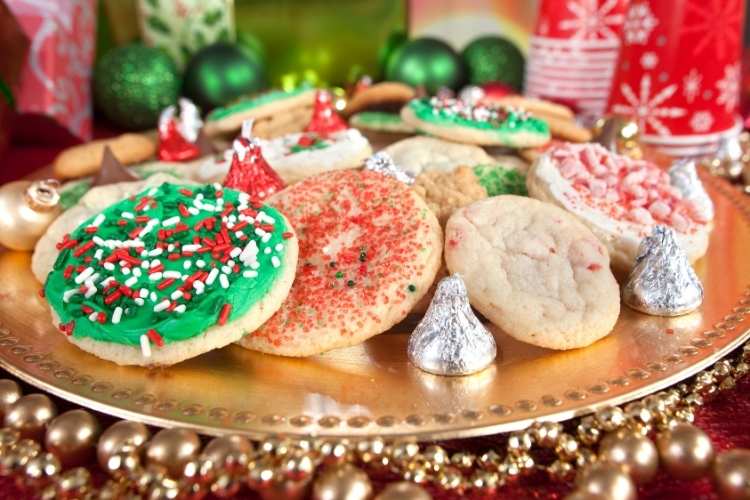
Baking cookies at Christmas is a tradition that dates back to medieval Europe when spices like cinnamon, nutmeg, and ginger were introduced into baking. These spices were considered luxuries, and cookies baked during the Christmas season were often made as special treats. Today, baking cookies, particularly gingerbread men and sugar cookies, is a beloved holiday activity.
Pfeffernüsse and lebkuchen, traditional Christmas cookies from Germany, are loved around the world during the holiday season. Pfeffernüsse (spice cookies) and lebkuchen (a form of gingerbread) date back to medieval times when they were made with honey and spices as special winter treats. These cookies were often baked for religious celebrations, and today, they remain a favorite holiday indulgence, particularly in European countries.
27. Fruitcake

Fruitcake, a dense, sweet cake filled with dried fruits and nuts, dates back to ancient Rome. The original Roman version was made with pomegranate seeds, pine nuts, and raisins. During the Middle Ages, fruitcake became more elaborate with the introduction of spices and honey. The cake was typically made in advance and soaked in alcohol to preserve it. Fruitcake gained popularity as a Christmas dessert because its long shelf life made it ideal for winter celebrations. Though it’s now often the subject of holiday jokes, fruitcake remains a nostalgic treat for many, particularly in the U.K. and parts of the U.S.
28. Christmas Puddings and Mince Pies
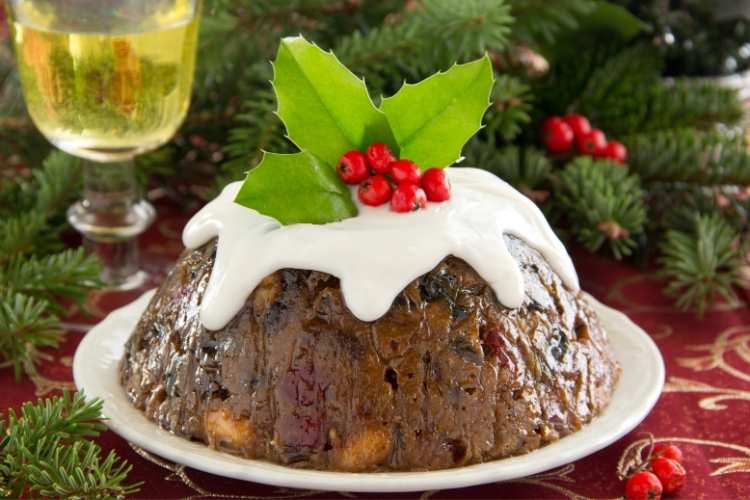
Christmas puddings and mince pies are quintessential British holiday desserts. The tradition of Christmas pudding (or plum pudding) began in the 14th century as a way to preserve meat by mixing it with fruit and spices. Over time, the recipe evolved into a rich, fruit-laden dessert enjoyed at the end of Christmas dinner. Mince pies, originally filled with meat and fruit, are now sweet pastries made with spiced fruits. These desserts are deeply tied to British Christmas celebrations and are often accompanied by festive customs like setting the pudding alight or leaving a mince pie out for Santa.
29. Christmas Ham
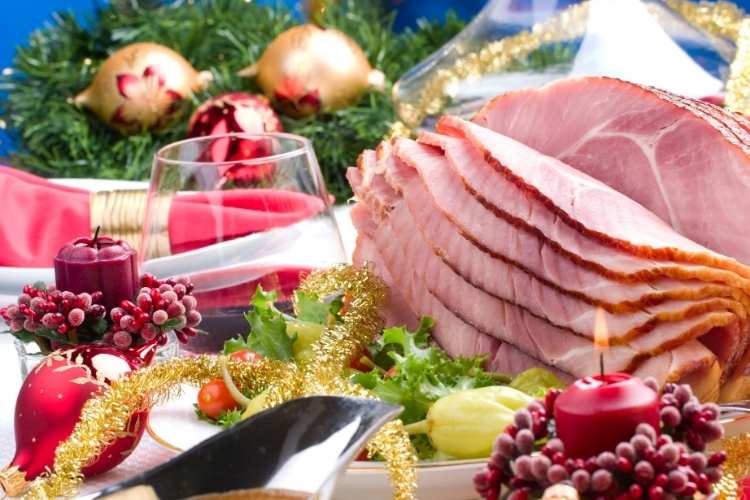
The Christmas ham is a tradition that can be traced back to ancient pagan rituals, specifically to the Norse god Freyr, who was associated with fertility and harvest. In his honor, wild boars were sacrificed during the Yule season. The custom of eating ham at Christmas persisted, particularly in Scandinavian and Germanic countries, and spread to other cultures over time.
30. Milk and Cookies for Santa
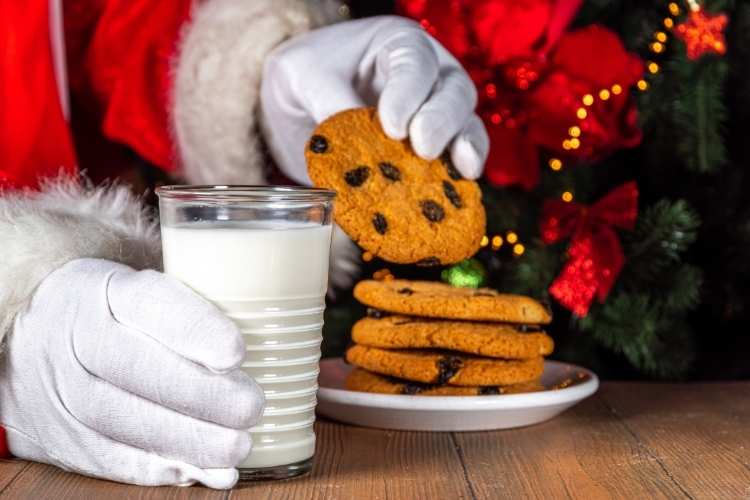
The tradition of leaving milk and cookies for Santa on Christmas Eve likely comes from the practice of showing hospitality to guests, which extends to welcoming the legendary visitor from the North Pole. In the U.S., the custom became popular during the Great Depression in the 1930s, when parents encouraged children to give to others and to be grateful for what they had, even in times of hardship. The gesture of leaving food for Santa may also be linked to older European traditions of leaving offerings for figures like Odin or St. Nicholas to ensure good fortune in return.

Celebrate