Where Does the Belief in Santa Clause Come From?
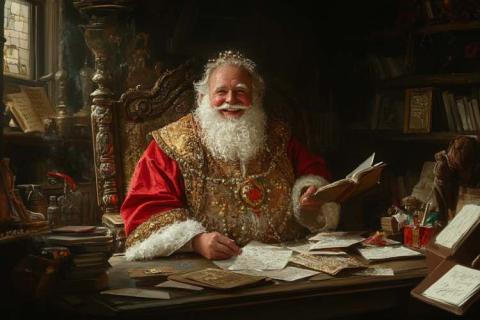
Ever wonder where the magical, jolly man in the red suit came from? Santa Claus, the man who has been delighting children and baffling chimney sweeps for generations, has a history as rich as a Christmas pudding and as heartwarming as a mug of cocoa by the fire. Let’s take a sleigh ride through time to uncover the origins of everyone’s favorite holiday gift-giver.
A Saintly Start
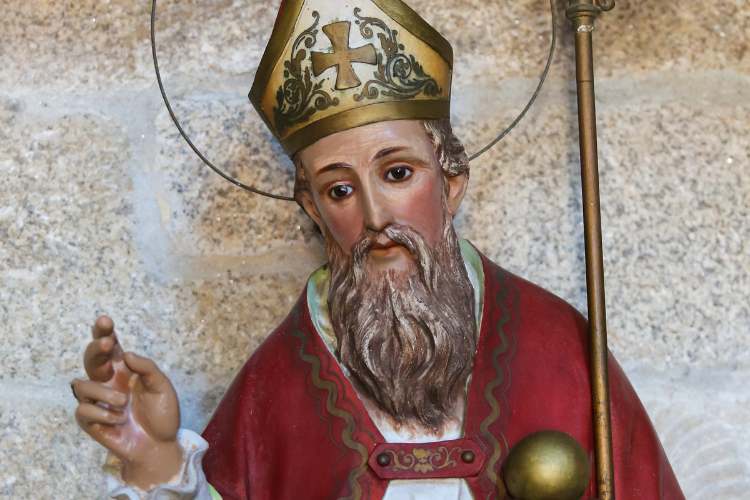
Our story begins with a real-life figure: St. Nicholas of Myra, a 4th-century bishop from what is now Turkey. This saintly fellow was famous for his kindness, particularly toward children and the poor. Legend has it that St. Nicholas once tossed bags of gold through the window of a poor family’s house to save their daughters from a grim fate. Some versions even say the coins landed in stockings hung by the fire to dry. Sound familiar?
St. Nicholas became so beloved that December 6, his feast day, turned into a celebration of gift-giving and generosity across Europe. Little did he know he was laying the groundwork for a global icon!
From Saint to Sinterklaas
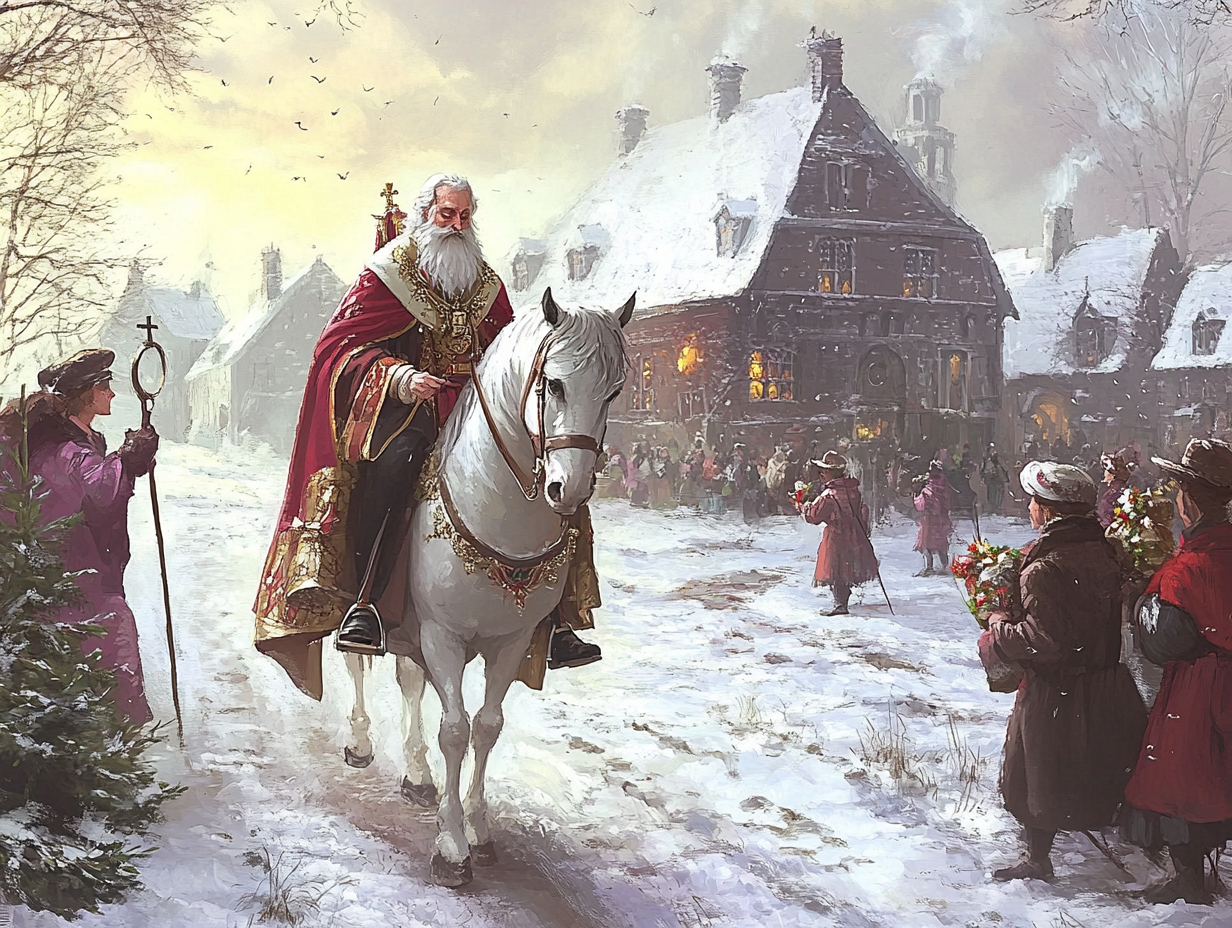
Fast forward a few centuries to the Netherlands, where St. Nicholas morphed into Sinterklaas. This Dutch version of the saint rode a white horse, wore a bishop’s robe, and had a crew of helpers to assist in delivering gifts. Dutch settlers carried their cherished Sinterklaas tradition to America in the 17th century, planting the seeds of what would become Santa Claus.
A Dash of Folklore

But Santa Claus isn’t just a one-man act. He’s the result of a cultural mashup, including some help from Norse mythology. Odin, the All-Father of the Norse gods, rode an eight-legged horse named Sleipnir and was said to fly through the sky during Yule, leaving gifts for those who impressed him. Odin’s wintery wanderings likely inspired parts of Santa’s story, including his airborne travels.
Modern Santa Takes Shape
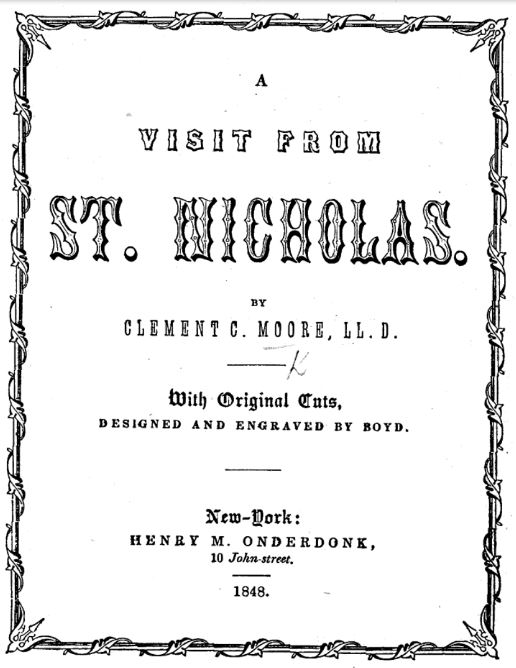
It wasn’t until the 19th century that Santa Claus as we know him really started to take form. The turning point came in 1823 with the publication of the poem “A Visit from St. Nicholas,” better known today as The Night Before Christmas, of course due to the opening line, "'Twas the night before Christmas, when all through the house
not a creature was stirring, not even a mouse..." This whimsical verse by Clement Clarke Moore, gave us the jolly, plump Santa who flew a sleigh pulled by reindeer and snuck down chimneys to deliver gifts.
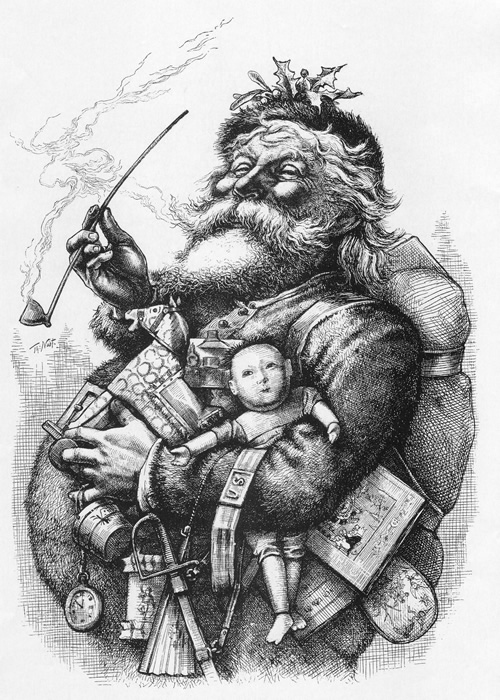
Then came Thomas Nast, a 19th-century political cartoonist who took the words of the Night Before Christmas and created his vision for the Jolly Old Elf in 1963 creating the now-iconic look: the fluffy white beard, the bright red suit, and a home base at the North Pole. Nast also introduced the idea of Santa’s workshop and his team of industrious elves.
A Commercial Star
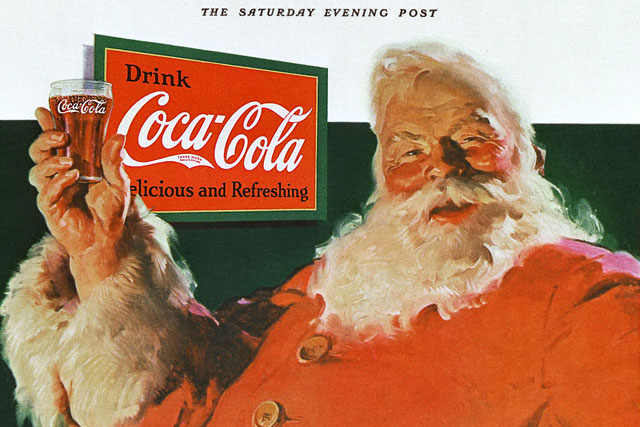
By the 20th century, Santa Claus had become a bona fide celebrity. Coca-Cola advertisements in the 1930s featured a warm, rosy-cheeked Santa who looked like he’d just stepped out of a Christmas dream. He added the white fur trim, black belt and black boots to the character. These ads spread his cheerful image far and wide, turning him into a global ambassador of holiday cheer.
Santa Today

Now, Santa Claus is the undisputed king of Christmas, inspiring letters from children, holiday movies, and more cookies than one man could possibly eat (though he gives it a valiant effort). He’s a symbol of generosity, joy, and the magic of childhood wonder. And while his story has evolved over the centuries, the heart of Santa remains the same: spreading kindness and a little bit of magic wherever he goes.
So the next time you hear sleigh bells jingling or catch a glimpse of a red-suited figure at the mall, remember that Santa’s roots run deep, and his spirit has been shaped by centuries of tradition, myth, and love.
And who knows? Maybe St. Nicholas himself is smiling down, proud of what his humble acts of kindness have become.

Celebrate