Seashores & Coastal Landforms Month
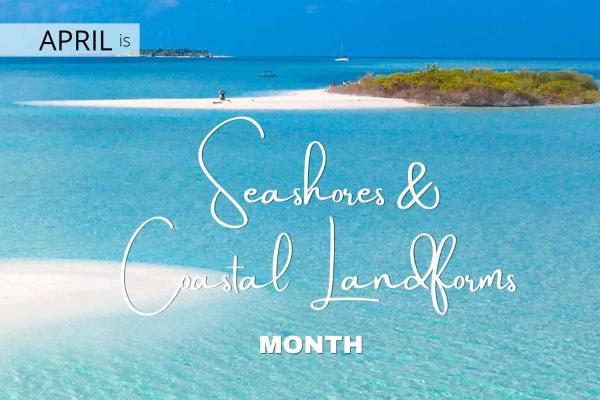
April is Coastal Seashores Month
Celebrating Nature's Majestic Edge
April is the perfect time to celebrate the awe-inspiring coastal seashores that define the boundaries of our planet’s land and sea. From towering cliffs to serene beaches, coastal landforms represent the intersection of two powerful natural forces: the land and the ocean. These dynamic landscapes are constantly shaped and reshaped by the forces of wind, water, and time, making them ever-changing, unique, and vital to the health of our planet.
Created by Patti Jewel, founder of Walk in the Sand, this month continues her global movement to celebrate and appreciate the world’s beaches in every season. Patti is also the creator of Walk in the Sand Day, World Beach Day, and World Beach Month, inspiring people everywhere to connect with the shoreline.
Coastal seashores are essential not only for their natural beauty but also for the protection and sustenance they provide to ecosystems, wildlife, and human communities. This month-long observance serves as an opportunity to deepen our appreciation for these coastal wonders, raise awareness about the need to protect them, and celebrate the stunning diversity of landforms found along the world’s coastlines.
What Are Coastal Landforms?
Coastal landforms are features that are shaped by the interaction of land and ocean. Over millions of years, waves, tides, currents, and other natural processes wear away, deposit, and mold the landscape into various stunning formations. These landforms can be as dramatic as towering cliffs or as serene as expansive sandy beaches. Coastal areas are constantly changing, with erosion and sediment deposition continuously shaping the landscape.
Some key processes responsible for shaping coastal landforms include:
- Erosion: The wearing away of rock and soil due to the constant action of waves and currents.
- Deposition: The accumulation of sand, silt, and other materials that create beaches, sandbars, and deltas.
- Tidal Forces: The rise and fall of tides affect the coastline, creating features like tidal flats and estuaries.
- Wind: The wind shapes coastal dunes, blowouts, and can even carve sea stacks and arches over time.
The Different Types of Coastal Landforms
Coastal landforms are as varied as the world’s coastlines themselves. Some of the most fascinating and beautiful types of coastal landforms include:
Beaches: Arguably the most beloved coastal landform (which is why they have a month of their own in September), beaches are sandy or pebbly stretches of land formed by the deposition of materials carried by waves and currents. Beaches provide habitat for a wide range of animals and are vital for recreation and tourism.
Cliffs: Steep, vertical or near-vertical rock faces that often form as a result of coastal erosion. Cliffs can be imposing, majestic features that define the coastline, such as the White Cliffs of Dover in the UK.
Coves and Bays: Small, sheltered bodies of water surrounded by land, often with a curved coastline. These features are typically formed by the erosion of softer rock along the coast, creating a protective harbor for boats and marine life.
Sea Caves: Formed by the relentless action of water on porous rock, sea caves are fascinating features found along coasts. They range from small, shallow grottos to massive, intricate cave systems.
Tidal Flats and Mudflats: Found in areas where the tide comes in and out regularly, these flat, muddy expanses are rich in nutrients and provide essential habitat for many species, including migratory birds.
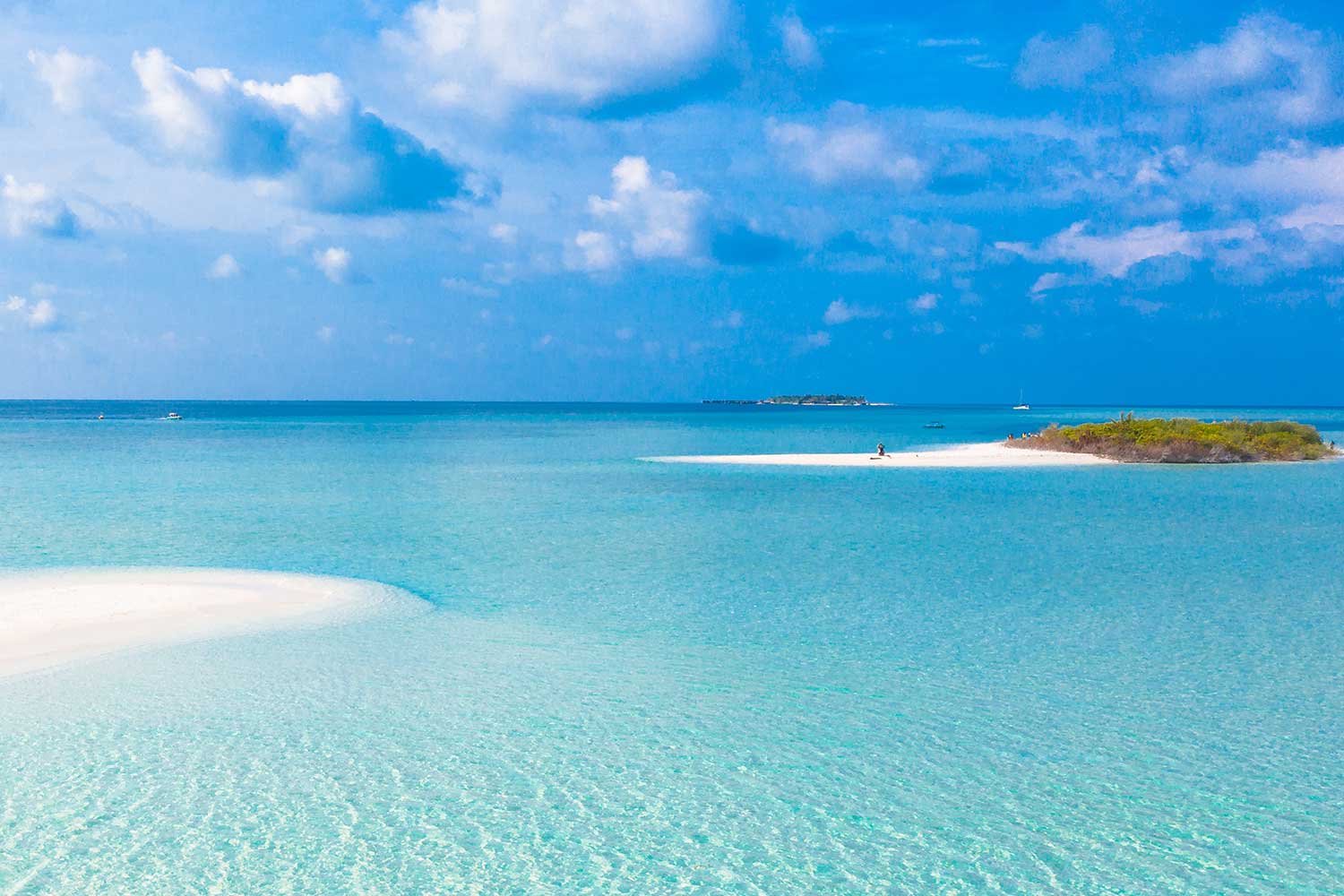
Spits and Sandbars: Narrow, elongated strips of sand or shingle that extend from the land into the water, formed by the longshore drift of sediment. Spits and sandbars often create unique ecosystems and serve as natural protection for inland areas.
Dunes: Sand dunes are large, mounded piles of sand formed by wind deposition along coastal areas. These dynamic structures are not only beautiful but also vital for protecting inland areas from storms and flooding.
Estuaries: Coastal areas where freshwater from rivers meets and mixes with saltwater from the ocean. Estuaries are some of the most productive ecosystems on the planet, providing critical habitat for marine life, including fish, birds, and crustaceans.
Why Seashores & Coastal Landforms Deserve Their Own Month
Coastal landforms are not only a source of beauty and wonder but also vital to the balance of our ecosystems. Coastal areas support diverse wildlife, protect inland areas from flooding and storm surges, and provide resources and opportunities for human communities through fishing, tourism, and recreation. Yet, they are under constant threat from human activity, climate change, and environmental degradation.
By celebrating Coastal Landforms Month, we highlight the importance of protecting these natural wonders. Coastal ecosystems face numerous challenges, such as rising sea levels, coastal erosion, and habitat destruction, making this month an opportunity to raise awareness about these issues and advocate for the preservation of our coastlines.
How to Celebrate Coastal Landforms Month
There are countless ways to celebrate Coastal Landforms Month and show your appreciation for these stunning natural wonders. Here are a few ideas to get involved:
Visit a Coastal Landform: Take the opportunity to visit a coastal area near you. Whether it's a local beach, a cliffside trail, or a coastal park, explore these beautiful landscapes and immerse yourself in the serenity they offer. Be sure to follow sustainable practices to minimize your impact.
Educate Yourself and Others: Learn more about coastal landforms and the challenges they face. You can read books, watch documentaries, or take a guided tour of a local coastline to gain deeper knowledge. Share this information with others to spread awareness about the importance of coastal preservation.
Engage in Coastal Clean-Up Efforts: Volunteer for a local beach or coastline cleanup event to help remove plastic and other pollutants from coastal areas. Cleaning up these areas is vital for preserving the integrity of these ecosystems and preventing further harm to wildlife.
Support Coastal Conservation Organizations: Many organizations are dedicated to protecting coastal ecosystems. Consider donating to groups such as the Ocean Conservancy, the Coastal Conservation Association, or the Surfrider Foundation to support their efforts.
Explore Coastal Art and Photography: Coastal landforms are often celebrated in art, photography, and literature. You can explore works by famous coastal photographers, visit art galleries showcasing coastal landscapes, or even try your hand at capturing the beauty of the coastline through your own photography.
Social Media Tips for Celebrating Coastal Landforms Month
Social media is a fantastic way to share your love for coastal landforms and raise awareness about the importance of preserving these natural wonders. Here are a few tips for celebrating Coastal Landforms Month on your social media platforms:
-
Share Photos and Videos: Post stunning images or videos of coastal landforms you've encountered, whether from your travels or local excursions. Use hashtags like #CoastalLandformsMonth, #CelebrateTheCoast, #SaveOurCoastlines, or #CoastalConservation to engage with others.
-
Promote Sustainable Travel: When sharing photos or content, encourage your followers to visit coastal areas responsibly. Promote eco-friendly practices like waste reduction, respecting wildlife, and supporting local conservation efforts.
-
Raise Awareness: Share facts, articles, and infographics about the importance of coastal ecosystems. Highlight the threats they face, such as climate change, pollution, and overdevelopment, and advocate for actions that help protect these fragile environments.
-
Create Challenges: Start a challenge encouraging your followers to explore a coastal landform and share their experiences. Create a hashtag and encourage people to post photos, experiences, or even poetry celebrating the beauty of the coast.
-
Tag Coastal Conservation Organizations: Support and share posts from organizations working to protect coastal ecosystems. Tag them in your posts to raise awareness and encourage others to get involved in supporting their mission.
How This Celebration Unites Us
Coastal landforms month brings people together across cultures and countries. Whether you live near a beach or dream of visiting an exotic coastline, we all share a connection to the oceans that cover more than 70% of our planet. By focusing on coastal landforms, we unite in our appreciation for the vital role these environments play in sustaining life on Earth.
Through this month-long observance, we can inspire each other to take action, whether through advocating for the preservation of coastal ecosystems, supporting sustainable practices, or simply enjoying the natural beauty of the coast. Coastal Landforms Month is a reminder of our shared responsibility to protect the edge of the Earth that so many depend on for their livelihood, enjoyment, and survival.
Let’s celebrate the beauty and importance of coastal landforms this April and work together to ensure that these magnificent landscapes continue to thrive for generations to come.
Unity Months

Celebrate