Volcano Month
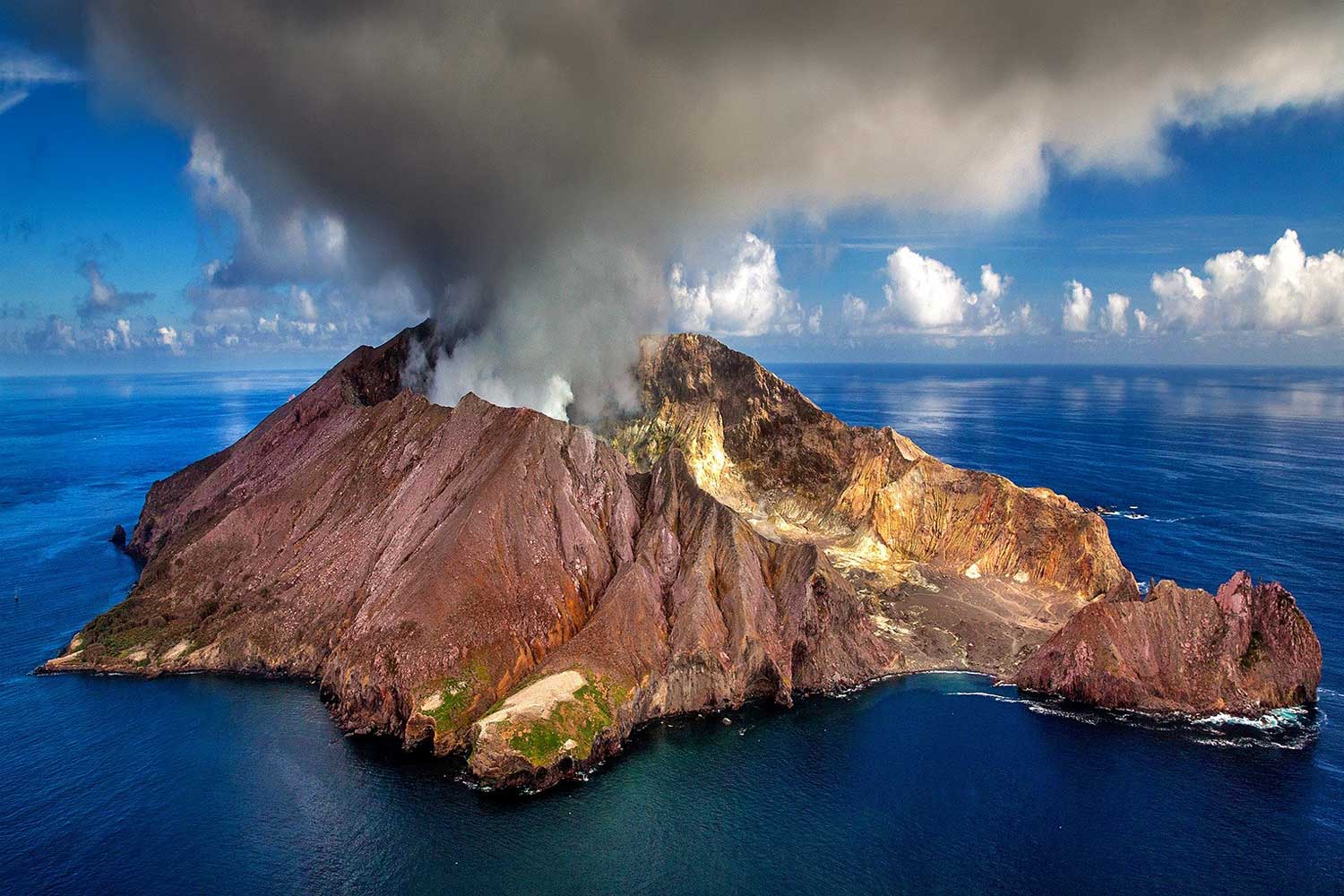
August is Volcano Month
A Tribute to Earth’s Fiery Wonders
Volcano Month is August’s celebration of the raw, awe-inspiring power of volcanoes! These incredible landforms have shaped Earth’s landscapes for millions of years, creating new land, forging mineral-rich soils, and fueling myths and legends in cultures worldwide. Volcanoes may seem distant to many, yet they hold a profound influence over our planet, both ecologically and culturally.
Why Volcanoes Deserve Their Own Month
Volcanoes are some of the most fascinating landforms on Earth. Not only do they form dramatic landscapes, but they also play a key role in Earth’s geology and ecosystem. Volcanic eruptions have formed entire islands, like Hawaii and Iceland, and created new ecosystems rich in unique flora and fauna. Volcanic soils are some of the most fertile on Earth, allowing agriculture to thrive in regions near volcanoes.
Volcano Month offers an opportunity to recognize these fiery giants for their beauty, danger, and incredible contributions to our planet’s formation. Celebrating volcanoes helps raise awareness about volcanic activity, encourages support for conservation and safety around active sites, and fosters an appreciation for the dynamic nature of our planet.
Volcanoes are fascinating natural structures formed by powerful forces deep within Earth. They are essentially vents or openings in Earth’s crust through which molten rock, ash, and gases from the mantle escape to the surface. Volcanoes form and change over millions of years, shaping landscapes, creating new landforms, and even affecting the climate.
How Volcanoes Form
The process begins deep within Earth’s mantle, where intense heat and pressure cause rock to melt and form magma, a molten mixture of rock, gases, and minerals. This magma, less dense than the surrounding solid rock, begins to rise toward Earth’s surface. As it ascends, it sometimes collects in large underground chambers called magma chambers, creating pressure as more magma flows in from below.
When this pressure becomes too great, or when tectonic forces cause cracks or weak spots in the crust, magma is forced out through openings in the crust, creating an eruption. Once the magma reaches the surface, it is called lava. As the lava cools and solidifies, it builds up layers that form the structure of the volcano.
Where Volcanoes Form
Volcanoes are most commonly found at tectonic plate boundaries where plates collide (convergent boundaries) or pull apart (divergent boundaries). There are three primary settings for volcanic formation:
-
Convergent Boundaries: When two tectonic plates collide, one often slides beneath the other in a process called subduction. As the subducted plate descends, it melts due to the high temperatures and pressures, producing magma that rises to the surface.
Example: The Pacific Ring of Fire, a zone around the edges of the Pacific Ocean, is where many of Earth’s most active volcanoes are found due to convergent boundaries. -
Divergent Boundaries: At these boundaries, tectonic plates are moving apart, creating a gap through which magma can rise to the surface. This process is responsible for volcanic activity along mid-ocean ridges.
Example: The Mid-Atlantic Ridge, an underwater mountain range, is a major divergent boundary with active volcanic activity. -
Hotspots: These are areas where plumes of hot mantle material rise to melt through the crust, creating volcanoes. Unlike plate boundaries, hotspots can occur anywhere on a tectonic plate.
Example: The Hawaiian Islands are a classic example, formed by a hotspot in the middle of the Pacific Plate.
Different Types of Volcanoes
While all volcanoes share the common feature of magma breaking through Earth’s surface, they come in various shapes and forms. Here are the four primary types of volcanoes:
-
Shield Volcanoes: Broad, gently sloping volcanoes built by the flow of low-viscosity lava over time. These are typically less explosive.
Examples: Mauna Loa and Mauna Kea in Hawaii. -
Stratovolcanoes (Composite Volcanoes): Tall, conical volcanoes with steep profiles and periodic, explosive eruptions. Stratovolcanoes are responsible for some of the most famous and dramatic eruptions.
Examples: Mount Fuji in Japan, Mount St. Helens in the U.S. -
Cinder Cone Volcanoes: Small, steep-sided volcanoes that are often short-lived and erupt explosively due to gas-charged magma.
Examples: Parícutin in Mexico, Lava Butte in Oregon. -
Lava Domes: Formed by the slow extrusion of viscous lava, these domes can be highly explosive due to the pressure buildup beneath the thick, slow-moving lava.
Examples: Mount St. Helens Lava Dome in the U.S., Novarupta in Alaska.
Volcanic Eruptions: Styles and Effects
Eruptions can vary dramatically in size and intensity, and they’re categorized by the type of magma, amount of gas, and pressure build-up:
- Effusive Eruptions: Characterized by lava flowing steadily from the volcano, often in shield volcanoes. These eruptions are generally non-explosive and create lava rivers that can reshape landscapes gradually.
- Explosive Eruptions: Occur when gas is trapped within viscous magma, causing pressure to build until it explodes violently, releasing ash, gas, and lava fragments into the air. These eruptions can be devastating and may produce pyroclastic flows, fast-moving currents of hot gas and volcanic material.
Volcanic eruptions have far-reaching effects. Locally, they can create fertile soil that supports agriculture, but they can also pose dangers to nearby communities. On a global scale, major eruptions release ash and gases into the atmosphere, potentially affecting climate by cooling global temperatures (as with the eruption of Mount Tambora in 1815).
Notable Volcanoes Around the World
From breathtaking natural beauty to cultural significance, some volcanoes stand out as global icons. Here are some of the most notable volcanoes to celebrate this August:
Mount Vesuvius (Italy)
The Volcano that Buried Pompeii
Mount Vesuvius is famous for its eruption in AD 79, which destroyed the cities of Pompeii and Herculaneum. It’s one of the world’s most well-known volcanoes and still considered active today. Visitors can hike to the summit and peer into the crater.
Fun Fact: Vesuvius is one of Europe’s only active volcanoes, creating an awe-inspiring view over the Bay of Naples.
Mount Fuji (Japan)
Japan’s Sacred and Symmetrical Peak
Mount Fuji, an active stratovolcano and Japan's tallest mountain, is a cultural icon. Revered as sacred and depicted in Japanese art, it attracts climbers and photographers from around the globe.
Fun Fact: The Fuji Five Lakes region offers some of the best views of Mount Fuji, especially at sunrise.
Kīlauea (Hawaii, USA)
One of the World’s Most Active Volcanoes
Kīlauea is a shield volcano known for its frequent eruptions and accessibility in Hawaii Volcanoes National Park. It’s a hotspot for volcanic tourism, where you can often see active lava flows.
Fun Fact: Kīlauea has been continuously erupting since 1983, adding new land to Hawaii’s Big Island.
Mount Etna (Sicily, Italy)
Europe’s Most Active Volcano
Mount Etna’s frequent eruptions provide a unique experience, and its rich volcanic soil supports Sicily’s wine industry. Visitors can explore its craters and lava fields with guided tours.
Fun Fact: At night, eruptions can often be seen as fiery plumes lighting up the sky, making it a mesmerizing sight.
Eyjafjallajökull (Iceland)
The Volcano that Stopped Air Traffic
Eyjafjallajökull famously erupted in 2010, disrupting air travel across Europe. The combination of glaciers and volcanic activity makes it a dramatic Icelandic landscape worth visiting.
Fun Fact: Iceland has over 130 volcanic mountains, making it one of the most volcanically active countries in the world.
How to Celebrate Volcano Month
Volcano Month offers countless ways to celebrate and appreciate these magnificent landforms, whether from the comfort of home or out in nature. Here are some engaging ways to join the celebration:
Explore a Volcano in Person
If you’re near an accessible volcanic site, take a day trip or even plan a longer adventure to experience the landscape firsthand. National parks like Hawaii Volcanoes National Park and Mount St. Helens National Volcanic Monument offer well-marked trails, educational resources, and stunning views.
Watch a Volcano Documentary
Get an up-close look at volcanoes without leaving home! Watch documentaries like National Geographic’s Into the Inferno or BBC’s Earth’s Natural Wonders to witness breathtaking volcanic activity and learn more about the science and culture surrounding them.
Create Volcanic-Themed Art
Volcanoes have inspired artists for centuries. Tap into your creative side by drawing or painting a volcanic scene, or even trying your hand at a clay volcano model. Share your creations on social media with #VolcanoMonth.
Learn About Volcanic Science and Safety
Volcano Month is a great time to learn about the science of volcanoes and the safety measures that help protect communities near active sites. Research organizations like the United States Geological Survey (USGS) and International Association of Volcanology to learn about volcanic monitoring and response.
Plan a Trip to a Volcanic Destination
Whether it’s Mount Fuji in Japan or Yellowstone’s volcanic hotspots in the U.S., volcanic destinations make for incredible travel experiences. Start planning a trip for next August to celebrate Volcano Month in person!
Social Media Sharing Tips
Social media is a fantastic platform to spread awareness and celebrate Volcano Month. Here are some tips to make the most of your volcanic-themed posts:
- Use Eye-Catching Hashtags: Use #VolcanoMonth, #CelebrateVolcanoes, #VolcanicLandscapes, and #FieryEarth to connect with others celebrating this unique month.
- Share Stunning Photos or Art: If you’ve traveled to a volcano or created volcanic art, share your work! Volcanoes are visually captivating, so don’t hesitate to post your favorite shots or artistic interpretations.
- Share Educational Content: Share articles, documentaries, or facts about volcanoes to raise awareness about their importance and impact.
- Get Interactive: Ask your followers to share their favorite volcanic destinations, or ask which volcanoes are on their bucket lists!
How Volcano Month Unites Us
Volcanoes remind us of our planet’s powerful, ever-changing nature. Although some of us live near volcanic regions and others may only witness them through photos, Volcano Month brings people together to share in awe and respect for these natural wonders. By celebrating together, we connect with people worldwide, exchanging stories, experiences, and dreams of adventure.
Volcanoes are a symbol of resilience and transformation, as they create and destroy with each eruption. Just as magma shapes new landscapes, Volcano Month shapes our understanding of Earth’s dynamic nature, fostering a deeper respect for these formidable forces of nature. So this August, let’s come together to appreciate volcanoes and the role they play in our lives and our planet’s history.
Happy Volcano Month!
Unity Months
Celebrate