Mountainous Landforms Month
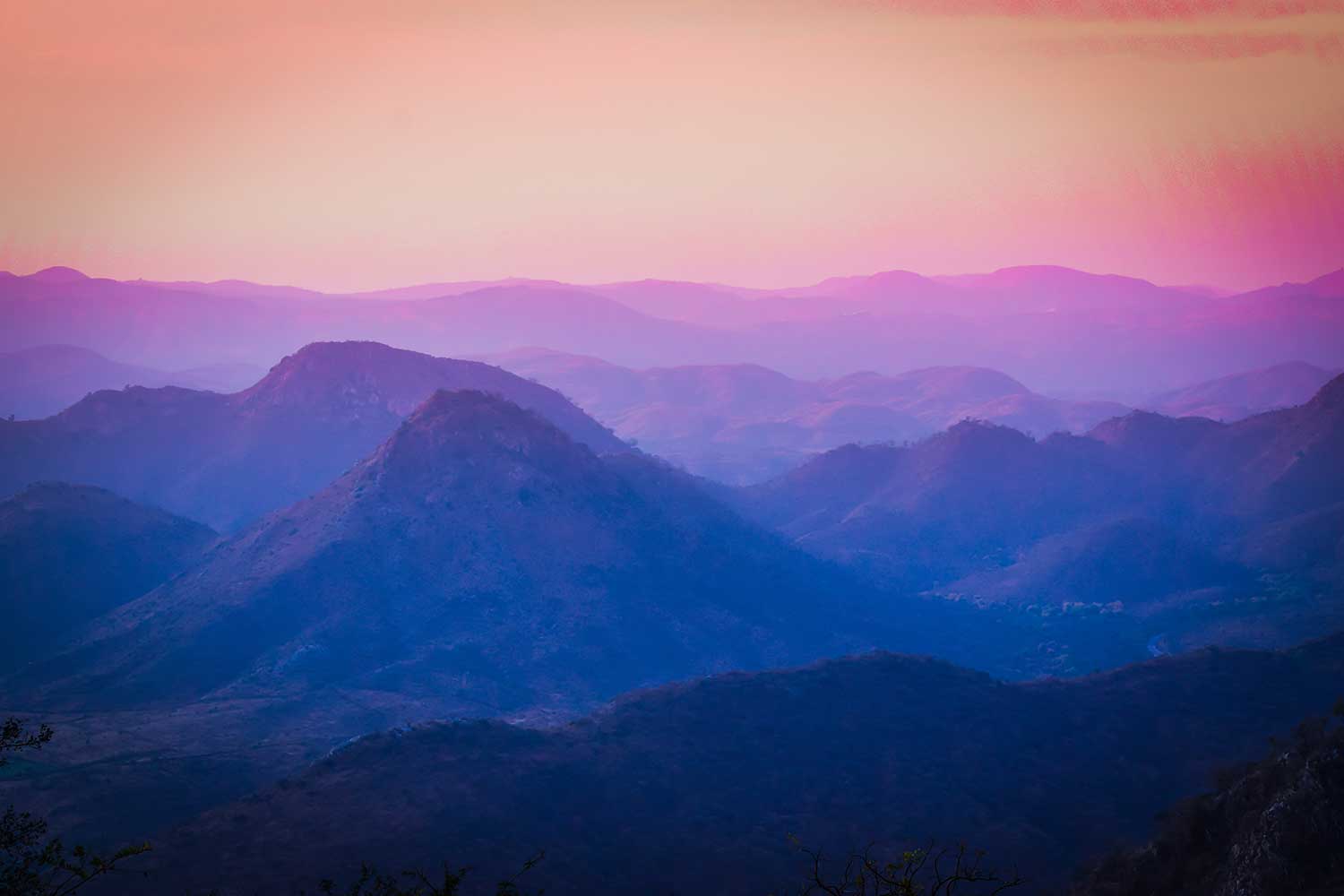
December is Mountainous Landforms Month
A Tribute to Nature's Majestic Giants
Mountainous Landforms Month is a celebration of the incredible mountains that shape our planet and inspire awe and adventure.
Mountains have long been symbols of strength, beauty, and mystery, drawing travelers, climbers, photographers, and nature enthusiasts from across the globe. From the snow-capped peaks of the Himalayas to the rugged Rockies, mountains offer not only breathtaking views but also a profound connection to the natural world.
Why Mountains Deserve Their Own Month
Mountains are so much more than just physical landforms. They have played significant roles in history, culture, and spirituality. They represent challenges to overcome, from epic climbs like Mount Everest to serene retreats like the Swiss Alps. Mountains have shaped weather patterns, created ecosystems, and provided essential resources to the communities living in their shadows.
In Mountainous Landforms Month, we not only celebrate the beauty and majesty of mountains, but we also recognize their ecological, cultural, and historical importance. Whether it’s a peak that served as a refuge for early humans, like Mount Ararat in Turkey, or a mountain that became a spiritual destination, such as Mount Fuji in Japan, these landforms hold deep meaning and inspire countless adventures. This month encourages people to take a step back, reflect on the wonders of the natural world, and unite over a shared appreciation for mountains.
Different Types of Mountains
Mountains are as varied as the landscapes they shape. While each mountain is unique, they can be grouped into several categories based on their formation and characteristics. Here are the four main types of mountains you’ll encounter:
Fold Mountains: These mountains form when tectonic plates collide and the Earth's crust is pushed upward. This results in dramatic, rolling mountain ranges with high peaks and deep valleys.
Examples: The Himalayas, The Alps
Fault-block Mountains: These mountains form due to fault lines in the Earth’s crust, where blocks of land are displaced either upward or downward. The result is rugged terrain with steep cliffs and jagged ridges.
Examples: Sierra Nevada, The Tetons
Volcanic Mountains: Created by volcanic activity, these mountains are formed from magma that cools and solidifies after an eruption. Over time, they can grow into towering peaks.
Examples: Mount Fuji, Mount Vesuvius
Dome Mountains: These mountains form when magma rises beneath the Earth's surface and causes the crust to bulge upward without erupting. Over time, erosion exposes the rock layers.
Examples: Black Hills, Adirondacks
Notable Mountains Around the World
The world is home to countless iconic mountains that attract adventurers and nature lovers from all corners of the globe. The tallest mountains on Earth are found in Asia. Mount Everest is the highest point on Earth and one of the most iconic mountains in the world. Other notable Asian mountains include K2, which is the second-tallest mountain in the world, and Kangchenjunga, which is the third-tallest.
In North America, Mount McKinley is the tallest mountain at 20,320 feet high. It is located in Alaska. The most famous North American mountain may be Mount Rainier, which towers over Seattle, Washington.
There are many beautiful and renowned mountains in Europe as well. The Matterhorn in Switzerland is perhaps the most famous, but Italy has many stunning peaks including Mount Etna and Mount Vesuvius. Austria is home to Mount Grossglockner while Spain features Mount Teide.
Here are just a few notable mountains that are worth celebrating this December:
Mount Everest, Nepal/Tibet
Highest Peak in the World
Standing at 29,032 feet (8,849 meters), Mount Everest is the highest point on Earth and one of the most iconic mountains in the world. Climbers and trekkers from around the world make the pilgrimage to this majestic peak, whether to attempt the summit or simply experience the base camp.
K2, Pakistan/China
Second-Highest Mountain in the World
Known as the "Savage Mountain," K2 is the world’s second-highest peak at 28,251 feet (8,611 meters) and one of the most challenging climbs due to its extreme conditions and technical difficulty. Situated on the Pakistan-China border in the Karakoram Range, K2 is famous among mountaineers for its brutal ascent but is also admired from a distance for its dramatic, icy beauty.
Kangchenjunga, India/Nepal
Third-Highest Mountain in the World
Kangchenjunga rises to 28,169 feet (8,586 meters), making it the third-highest mountain globally. Located along the India-Nepal border, this mountain is deeply sacred to local communities and is known for its stunning, often mist-covered ridges. The region around Kangchenjunga is rich in biodiversity, with dense forests, rivers, and unique Himalayan wildlife.
Denali (Mount McKinley), Alaska, USA
Tallest Peak in North America
Denali, also known as Mount McKinley, is the tallest mountain in North America, standing at 20,310 feet (6,190 meters). Its sheer height and remote Alaskan location make it both beautiful and formidable. With dramatic weather conditions and glaciers covering its base, Denali offers a breathtaking view of pristine wilderness.
Mount Rainier, Washington, USA
An Active Stratovolcano with Incredible Ecosystems
Mount Rainier is an iconic peak in the Pacific Northwest, reaching 14,411 feet (4,392 meters) and covered by glaciers, alpine meadows, and lush forests. As an active stratovolcano, it commands respect not only for its beauty but also for the geological power it represents. Rainier is also home to diverse ecosystems and wildlife, making it a haven for nature lovers.
Mount Etna, Sicily, Italy
Europe’s Tallest and Most Active Volcano
Mount Etna, at 10,991 feet (3,350 meters), is Europe’s most active volcano and a UNESCO World Heritage Site. Located on the island of Sicily, it frequently erupts, offering a rare glimpse into volcanic activity while being accessible to visitors. Etna’s unique landscape includes lava fields, craters, and lush vineyards on its lower slopes, making it a captivating site.
Mount Vesuvius, Naples, Italy
The Famous Volcano That Destroyed Pompeii
Mount Vesuvius is one of the world’s most famous volcanoes due to its eruption in AD 79, which buried the ancient city of Pompeii. At 4,203 feet (1,281 meters), it may not be as tall as some other mountains, but its history and cultural significance make it a fascinating destination. The volcano is still considered active, adding an element of awe to every visit.
Grossglockner, Austria
The Tallest Mountain in Austria and a Glaciated Beauty
Standing at 12,461 feet (3,798 meters), Grossglockner is the highest peak in Austria and part of the Hohe Tauern National Park. Its glaciers and rugged beauty make it a popular destination for hiking, climbing, and photography. The scenic Grossglockner High Alpine Road offers stunning vistas and is a top driving route in Europe.
Mount Teide, Tenerife, Spain
Spain’s Highest Peak and a Volcanic Wonder in the Canary Islands
Mount Teide, located on the island of Tenerife, rises to 12,188 feet (3,718 meters) and is the highest peak in Spain. As an active volcano within Teide National Park, it boasts Mars-like landscapes, colorful rock formations, and unique flora. The park is a UNESCO World Heritage Site and offers some of the clearest skies in the world, making it a top spot for stargazing.
The Matterhorn, Switzerland/Italy
Iconic Pyramid-shaped Peak
The Matterhorn, one of the most recognizable mountains on Earth, is a stunning pyramid-shaped peak straddling the border between Switzerland and Italy. This peak has inspired mountaineers and adventurers for generations.
Mount Kilimanjaro, Tanzania
The Roof of Africa
Why Visit: Mount Kilimanjaro is the highest mountain in Africa, standing at 19,341 feet (5,895 meters). It’s a dormant volcano with a variety of ecosystems—from rainforest to arctic tundra—on its way to the summit.
Mount Fuji, Japan
Sacred Peak of Japan
Mount Fuji, an active stratovolcano, is not only Japan's tallest peak but also a revered cultural and spiritual symbol. The mountain has inspired art, literature, and pilgrimages for centuries.
The Rocky Mountains, USA/Canada
The Backbone of North America
The Rocky Mountains stretch across the U.S. and Canada, offering countless hiking trails, skiing resorts, and national parks, including Yellowstone, Rocky Mountain National Park, and Banff.
How to Celebrate Mountainous Landforms Month
There are countless ways to celebrate mountains, whether you're exploring them in person, appreciating them from afar, or sharing your love of them with the world. Here are some fun and creative ways to celebrate Mountainous Landforms Month this December:
1. Take a Mountain Hike or Ski Trip
If you’re lucky enough to live near mountains, take the opportunity to explore them! Whether you’re hiking, skiing, or simply enjoying the views, spending time in the mountains is the perfect way to celebrate. Some regions, like the Swiss Alps or Colorado Rockies, are ideal destinations year-round.
2. Share Your Favorite Mountain Photos
Social media is a great way to showcase your love for mountains. Share your photos from past mountain trips or even your dream destinations. Tag your posts with #MountainousLandformsMonth and #CelebrateMountains to join the global celebration.
3. Virtual Mountain Experiences
Can’t make it to the mountains this month? Consider taking a virtual hike! Many mountain destinations offer virtual tours, or you can experience the beauty of mountain landscapes through videos and live-streams of iconic peaks like Mount Everest or Mount Fuji.
4. Learn About Mountain Conservation
Mountains are vulnerable to climate change, deforestation, and over-tourism. Dedicate some time to learning about mountain conservation efforts and the challenges these ecosystems face. Support organizations working to preserve mountain environments, like The Mountain Partnership or Conservation International.
5. Join a Mountain-Themed Event
Look for mountain-related events or festivals in your area, such as mountaineering talks, outdoor gear expos, or film screenings about famous mountain expeditions. If you can't find one, organize a virtual gathering with friends to discuss mountain adventures and the importance of protecting these natural wonders.
6. Plan a Mountain Vacation
December is the perfect time to plan vacations for the next year. Take the time to find a mountain region on your bucket list and start planning. It also make a fabulous Christmas gift!
Social Media Sharing Tips
Social media is a powerful tool for spreading awareness and celebrating mountains around the world. Here are some tips for making the most of your Mountainous Landforms Month posts:
- Hashtags: Use hashtags like #CelebrateMountains, #MountainousLandformsMonth, #MountainViews, and #MountainAdventure to join the global conversation.
- Photo Series: Share a series of your favorite mountain shots, from majestic peaks to hidden valleys. Create a highlight reel of your mountain adventures or places you’d love to visit.
- Inspirational Quotes: Post your favorite quotes about mountains, such as "The mountains are calling, and I must go."—John Muir.
- Interactive Posts: Ask your followers about their favorite mountains or hiking spots. Engage with them by sharing tips or recommending destinations they should add to their bucket lists.
How This Celebration Unites People
Mountains are universal symbols of adventure, challenge, and beauty. By celebrating Mountainous Landforms Month, we come together to appreciate these majestic landforms and the incredible ecosystems they support. Whether you're an experienced mountaineer or simply someone who enjoys a scenic mountain view, this celebration unites people across the globe who share a love for the great outdoors and the natural world.
Mountainous Landforms Month is a time to appreciate these natural wonders and to learn about the different types of mountains around the world. Whether you are looking at the tallest mountains or the most famous ones, each one is special in its own way. So take some time this month to learn about these amazing landforms and enjoy their beauty. This month, let’s celebrate the power of mountains to inspire, challenge, and bring us closer to nature.
Unity Months

Celebrate