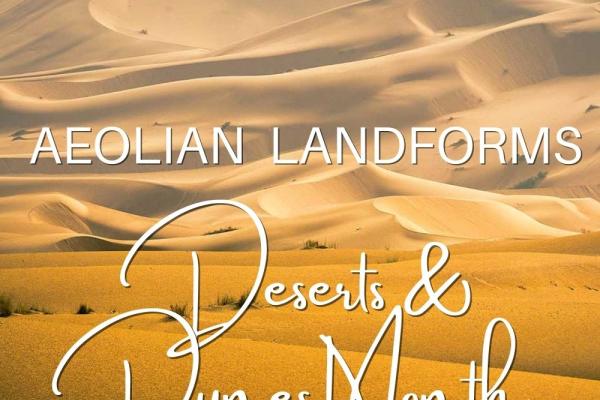
Aeolian Landforms, Desert & Dunes Month

January is Aeolian Landforms Month celebrating Deserts, Dunes, Loess & Yardangs
A Month-Long Tribute to Nature’s Wind-Sculpted Wonders
January marks a fresh start, a time of reflection and renewal. What better way to honor the power of natural transformation than by celebrating the world’s incredible aeolian landforms? From the hauntingly beautiful dunes of the Sahara to the fertile loess plains that sustain life, and the yardangs standing tall like ancient sentinels, these landscapes tell stories of resilience, beauty, and environmental change.
What are Aeolian Landorms?
Aeolian landforms are shaped primarily by the wind (from the Greek god of the winds, Aeolus), especially in arid and semi-arid environments like deserts. These landscapes evolve through processes of erosion, transport, and deposition of sediment by wind, forming unique geological features. There are four major aeolian landforms: deserts, sand dunes, loess, and yardangs.
Deserts
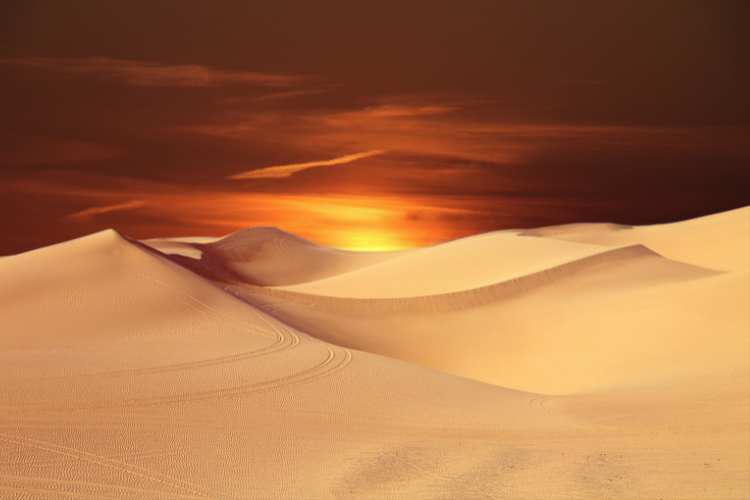
Deserts are expansive arid regions with sparse vegetation, where aeolian processes are dominant due to the lack of moisture and plant cover that would otherwise stabilize soil and sediments. Wind in deserts is a powerful force, continually shifting sand, silt, and dust across vast distances. Common desert features include:
- Ergs: Large sand seas or sand deserts, mainly composed of dunes.
- Reg or Gibber Deserts: Desert areas with a layer of rocky, pebbly surfaces, where the fine dust and smaller particles have been blown away by wind, leaving behind a rocky residue.
- Hamada: Bare, rocky plateaus in deserts with very little sand, sculpted by intense wind erosion.
Deserts typically experience extreme temperature variations between day and night, which further accelerates rock weathering and wind erosion.
Sand Dunes
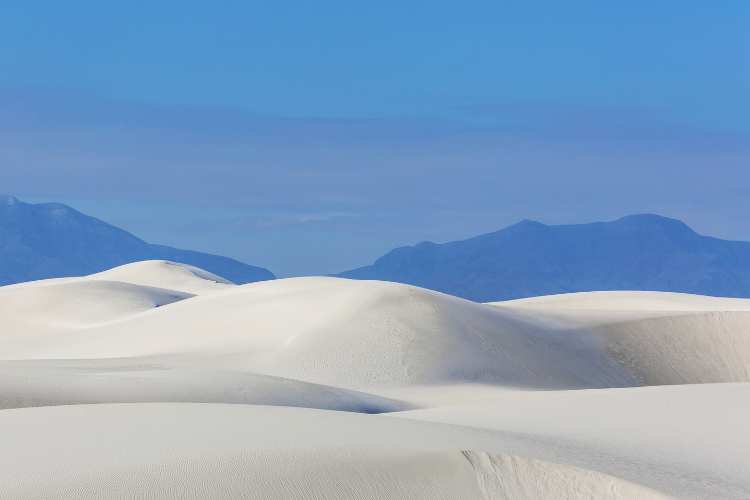
Sand dunes are mounds or ridges of sand that are created by the wind. They are highly dynamic and can shift and change shape depending on wind direction and strength. Dunes are found in deserts, coastal areas, and other regions with loose sand and consistent wind patterns. Some major types of sand dunes include:
- Barchan Dunes: Crescent-shaped dunes with horns pointing downwind, formed in areas with a single dominant wind direction.
- Transverse Dunes: Long, wave-like dunes perpendicular to the wind direction, common in areas with abundant sand and consistent wind.
- Parabolic Dunes: U-shaped dunes with arms pointing upwind, often anchored by vegetation, typically found in coastal areas.
- Star Dunes: Pyramid-like dunes with several ridges, formed by winds from multiple directions, often in large sand seas (ergs).
The shape and size of dunes depend on factors like wind speed, sand availability, and local topography.
Loess
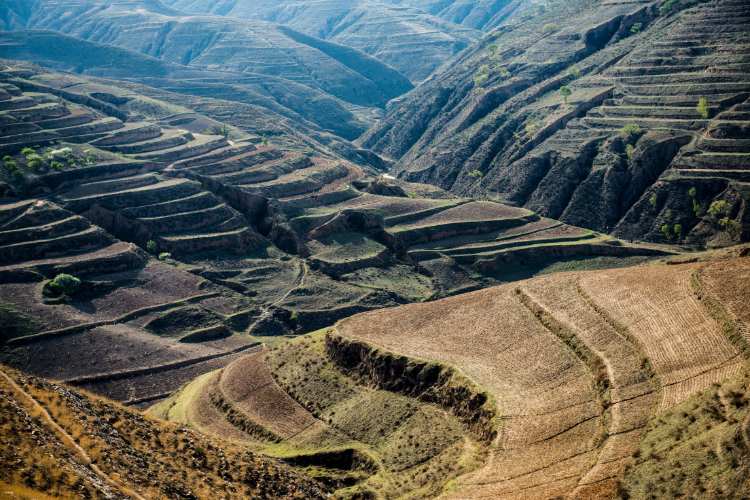
Loess is a fine, silt-sized sediment that is transported by wind over long distances and deposited in thick layers. Loess deposits are typically yellowish or brownish and are formed by the accumulation of wind-blown dust, particularly during glacial periods when exposed, dry landscapes produce loose, easily transportable particles.
Characteristics of loess:
- Highly Fertile: Loess is rich in minerals and nutrients, making it extremely fertile and ideal for agriculture.
- Vertical Stability: It has a unique ability to form steep, vertical cliffs due to its cohesive properties.
- Extensive Deposits: Loess layers can extend for hundreds of kilometers and be several meters thick, such as the Loess Plateau in China, which is one of the largest loess deposits in the world.
Because loess is not well-compacted, it is prone to erosion and often forms large, eroded landscapes called "loess badlands."
Yardangs
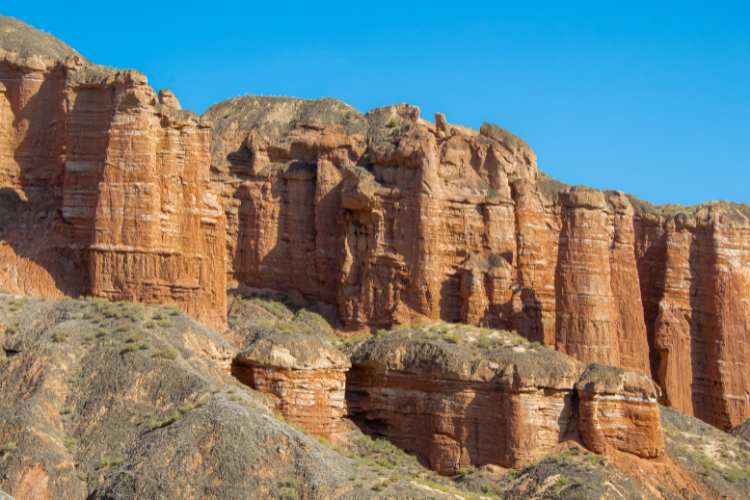
Yardangs are streamlined, wind-sculpted ridges of rock, often found in deserts where strong winds and abrasive particles carve out elongated landforms. They form when softer rock layers erode faster than harder layers, creating ridges and grooves aligned in the direction of the prevailing wind. Yardangs can range from a few meters to several kilometers in length.
Key features of yardangs:
- Wind-Aligned: Yardangs are typically aligned parallel to the dominant wind direction.
- Steep and Smooth Slopes: They have a blunt, steep slope on the upwind side (facing the wind) and a tapered, smooth slope on the downwind side.
- "Shipyard" Appearance: In some regions, yardangs resemble fleets of ships due to their elongated shapes.
Yardangs are found in large deserts like the Sahara and central Asia, often where strong, persistent winds and limited vegetation lead to intense erosion.
Why Celebrate Aeolian Landforms
A January observance dedicated to Aeolian Landforms encourages us to appreciate these natural wonders, understand their importance, and join a global conversation on protecting these unique landscapes.
Aeolian landforms are more than just visually stunning landscapes; they’re indicators of environmental conditions, climate history, and the balance of life on earth. Here’s why these landforms are so essential:
-
Environmental Indicators: Deserts, sand dunes, and loess deposits reveal patterns of wind movement, climate shifts, and ecological adaptation. Observing these formations helps scientists understand past climate patterns and anticipate future environmental changes.
-
Biodiversity Hotspots: Many aeolian landforms, like sand dunes and loess plains, are home to unique ecosystems and rare species adapted to these harsh environments.
-
Cultural Inspiration: For centuries, these landscapes have inspired mythology, art, and storytelling. From the mystic dunes of the Middle East to the rugged yardangs of Asia, they hold deep cultural and spiritual significance for local communities and travelers alike.
-
Educational Value: These formations are natural classrooms, providing lessons on geology, ecology, and the power of natural forces. By studying them, we gain a deeper appreciation for Earth’s history and the delicate balance that sustains life.
Ways to Celebrate Aeolian Landforms Month
Whether you’re near a desert or just in love with nature, there are many ways to celebrate Aeolian Landforms Month!
1. Visit a Local Sand Dune, Desert, or Nature Reserve
Explore local aeolian landforms if you live near dunes, deserts, or loess deposits. January, often a quieter travel month, is perfect for a peaceful visit. Many parks and reserves have dune systems or other aeolian features where you can observe these landscapes firsthand.
2. Organize a Group Hike or Eco-Tour
Gather friends, family, or a local environmental group for a day trip to a sand dune or desert. Host a guided walk, or share facts about the geology, flora, and fauna. If you’re far from these landforms, a virtual exploration through documentaries or online tours is also engaging.
3. Get Involved in Conservation Efforts
Participate in dune restoration projects or volunteer with environmental organizations that work to protect desert ecosystems. Simple acts like cleaning up litter in sandy areas or advocating for local conservation measures help protect these vulnerable regions.
4. Learn and Share
Attend a virtual lecture on desert ecology, watch a documentary on wind erosion, or read a book about Earth’s natural landforms. Then, share what you’ve learned with friends and family to inspire them as well.
5. Host a Movie or Documentary Night
Watch nature documentaries that highlight aeolian landforms. From BBC Earth’s Planet Earth series to National Geographic specials on deserts, these visual stories bring the magic of aeolian landscapes to life.
Sharing Aeolian Landforms Month on Social Media
Spread the word and showcase the beauty of aeolian landforms on social media! Here are some ideas for sharing and connecting:
-
Photo Series: Share a photo each week of a different aeolian landform. Highlight deserts, sand dunes, loess deposits, and yardangs with a fact or story about each.
-
#AeolianAwareness: Use a hashtag like #AeolianAwareness or #WindSculptedWonders to create a community around this observance. Encourage others to share their own photos, artwork, or knowledge about aeolian landscapes.
-
Create Short Videos or Reels: Capture the motion of sand dunes or discuss a fact about how dunes are formed. Reels and short videos can capture people’s attention and provide a quick education on these landscapes.
-
Share Conservation Tips: Post about actions people can take to protect fragile desert ecosystems. Highlight the importance of preserving these natural formations in a world impacted by climate change.
-
Engage with Interactive Content: Host a Q&A or poll about aeolian landforms on Instagram or Twitter, or create an online quiz to test followers’ knowledge of deserts, sand dunes, and other wind-shaped landscapes.
How Aeolian Landforms Month Unites People
The beauty of aeolian landforms is appreciated by people from all walks of life offering a unifying theme around the awe of nature and the power of the elements.
Global Environmental Awareness: By dedicating a month to aeolian landforms, we draw attention to broader issues like climate change, desertification, and the need for conservation. These are universal challenges that affect us all and remind us of our shared responsibility toward the Earth.
Cross-Cultural Appreciation: Many aeolian landscapes hold cultural significance, from the Sahara in Africa to the Badain Jaran Desert in China. This observance can foster cross-cultural understanding and respect, as people share stories, legends, and traditions linked to these landscapes.
Building Eco-Conscious Communities: Celebrating aeolian landforms encourages eco-tourism, conservation efforts, and environmental education, promoting sustainable practices that help preserve these areas for future generations.
Embracing January as Aeolian Landforms Month
Kicking off the year by celebrating aeolian landforms grounds us in nature’s resilience and the planet’s enduring beauty. By engaging with these landscapes, through travel, conservation, or simply learning and sharing about them, we become more connected to the Earth and to one another.
As we celebrate, we remind ourselves that each desert, dune, and yardang is part of a larger story of survival, adaptability, and beauty. So let’s take a moment this January to honor these remarkable formations, share their stories, and advocate for their preservation.
Unity Months

Celebrate