Coral Reefs Month
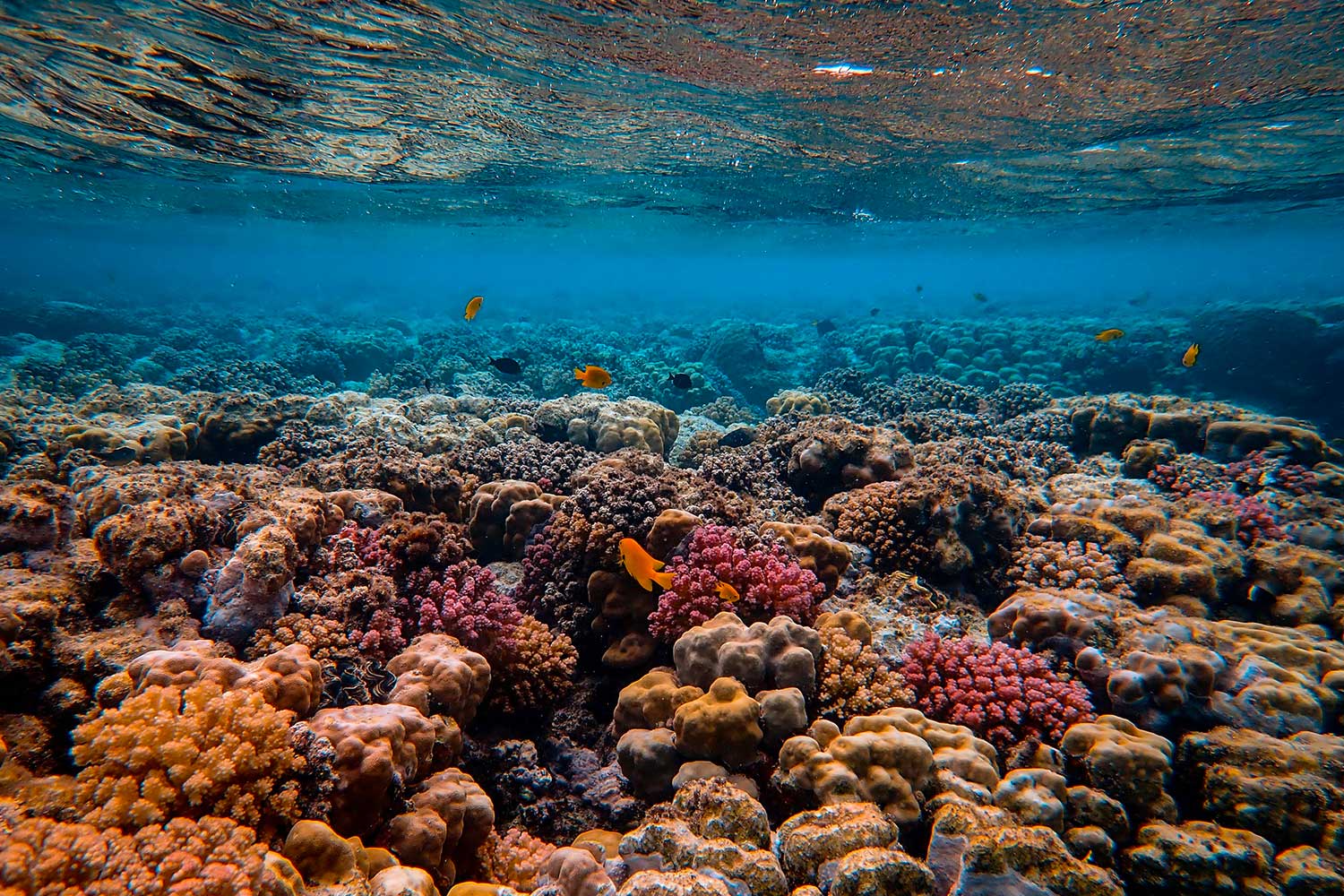
June is Coral Reefs Month
The Underwater Wonders That Need Our Protection
June is Coral Reefs Month, a time to celebrate and reflect on one of the most vibrant and vital ecosystems on Earth. Coral reefs are often referred to as the "rainforests of the sea," and for good reason. These underwater landscapes teem with life, acting as a sanctuary for marine species and providing essential benefits to our planet. From their breathtaking beauty to their role in maintaining ocean health, coral reefs deserve to be celebrated, especially as they face increasing threats from climate change, pollution, and overfishing. This month is a call to action to protect these natural wonders and raise awareness about their importance.
Why Coral Reefs Deserve a Month of Celebration
Coral reefs are essential to life on Earth. They cover just 0.1% of the ocean’s surface, yet they support around 25% of all marine species. Coral reefs provide food and shelter to thousands of fish, mollusks, crustaceans, and other sea creatures, making them one of the most biodiverse ecosystems on the planet. They also protect coastlines by reducing the impact of waves and storms, help maintain the health of marine food chains, and contribute to the livelihood of millions of people who rely on them for fishing, tourism, and coastal protection.
But, unfortunately, coral reefs are in danger. Climate change, pollution, and human activity are threatening these delicate ecosystems, leading to coral bleaching, habitat loss, and declining biodiversity. Celebrating Coral Reefs Month is an opportunity to raise awareness about these issues, inspire action, and educate others on how we can all play a role in preserving these precious ecosystems.
What Are Coral Reefs and Why Are They Important?
Coral reefs are made up of colonies of tiny, soft-bodied organisms called polyps, which secrete calcium carbonate to form hard, protective skeletons. Over time, these skeletons build up and create the intricate structures we recognize as coral reefs. There are three main types of coral reefs: fringing reefs, barrier reefs, and atolls.
-
Fringing Reefs: These reefs are directly attached to the coastline or grow close to shore. They are the most common type of reef and are typically found in shallow, warm waters.
-
Barrier Reefs: These reefs are separated from the shore by deeper, wider lagoons. They form farther offshore and often protect the coastline from waves and storms. The Great Barrier Reef in Australia is the most famous example of a barrier reef.
-
Atolls: These are ring-shaped reefs that surround a lagoon, typically formed from the remnants of volcanic islands. Atolls are often found in the central Pacific Ocean and Indian Ocean.
Coral reefs are also important for their ecological, economic, and social value. They are critical in supporting marine biodiversity and act as nurseries for many fish species. Economically, coral reefs contribute billions of dollars each year through tourism, fishing, and coastal protection. Socially, millions of people depend on coral reefs for food, livelihoods, and cultural practices.
Coral Reefs Around the World
There are coral reefs all over the world, but some stand out due to their size, biodiversity, and importance to global ecosystems. Here are some of the most well-known and largest reefs that deserve special attention:
The Great Barrier Reef, Australia: The largest and most famous coral reef system in the world, the Great Barrier Reef is home to an astounding array of marine life, including fish, sea turtles, and dolphins. Spanning over 1,400 miles, it is a UNESCO World Heritage site and one of the Seven Natural Wonders of the World.
The Coral Triangle: Located in the Pacific Ocean, the Coral Triangle is known as the “global center of marine biodiversity.” It includes the waters of Indonesia, Malaysia, the Philippines, Papua New Guinea, Solomon Islands, and Timor-Leste. This region is home to over 75% of the world’s coral species and is critical to the health of the oceans.
Belize Barrier Reef, Belize: This UNESCO World Heritage site is the second-largest barrier reef in the world, located just off the coast of Belize. Known for its clear waters, abundant marine life, and the famous Blue Hole, the Belize Barrier Reef is a prime destination for divers and snorkelers.
Mesoamerican Reef, Mexico: Stretching along the coasts of Mexico, Belize, Guatemala, and Honduras, the Mesoamerican Reef is the largest barrier reef in the Western Hemisphere. It is home to an incredibly diverse range of species, including endangered sea turtles, sharks, and rays.
Ari Atoll, Maldives: The Maldives is known for its stunning coral reefs, with Ari Atoll being one of the most famous for diving and snorkeling. It’s home to an abundance of marine life, including whale sharks, manta rays, and vibrant coral gardens.
How to Celebrate Coral Reefs Month
There are many ways to celebrate Coral Reefs Month, whether you're near the ocean or at home. Here are a few ideas to get involved and show your support:
Visit a Reef: If you live near or can travel to a coral reef, take the opportunity to visit and experience the beauty of these ecosystems. Go diving or snorkeling to see the reefs up close and personal, but remember to practice sustainable tourism—avoid touching the coral and refrain from collecting any marine life.
Support Reef Conservation: Donate to organizations that work to protect coral reefs, such as the Coral Triangle Initiative, the Australian Coral Reef Society, or the ReefBase Project. You can also sign petitions and advocate for policies that protect coral reefs and reduce the impacts of climate change and pollution.
Raise Awareness: Share your love for coral reefs on social media, and educate others about the importance of coral ecosystems. Share facts, photos, and articles that highlight the threats facing coral reefs and what can be done to protect them.
Reduce Plastic Use: Plastic pollution is one of the biggest threats to coral reefs. By reducing your personal plastic consumption, participating in local clean-up efforts, or supporting businesses that prioritize sustainable practices, you can help reduce the amount of waste that ends up in our oceans.
Learn About Coral Reefs: Take the time to learn more about coral reefs, their unique ecosystems, and the threats they face. Watch documentaries, read books, and attend virtual seminars on marine conservation to deepen your knowledge and inspire others.
Social Media Tips for Celebrating Coral Reefs Month
Social media is a powerful tool for raising awareness and sharing the beauty of coral reefs with the world. Here are a few tips for celebrating Coral Reefs Month on your social media channels:
-
Share Stunning Photos: Post beautiful photos of coral reefs, whether you’ve taken them yourself or found them online. Use hashtags like #CoralReefsMonth, #SaveOurReefs, #OceanConservation, and #UnderwaterWonders to join the global conversation.
-
Highlight Marine Conservation Organizations: Promote the work of marine conservation groups that are dedicated to protecting coral reefs. Share their posts, donate, or encourage your followers to get involved in their efforts.
-
Educate and Inspire: Share interesting facts about coral reefs, their importance to marine life, and the threats they face. Your posts can inspire others to take action and help raise awareness about the urgent need to protect these ecosystems.
-
Use Video Content: Share short videos or reels from your travels to coral reefs or educational content about reef ecosystems. Videos are highly engaging and can help spread your message effectively.
How Coral Reefs Month Unites Us
Coral Reefs Month is an opportunity for people all around the world to come together and appreciate the wonders of our oceans. Coral reefs are not just a natural treasure, they are a shared resource that connects us all. Whether you’re a diver, a traveler, a scientist, or a conservationist, we all have a role to play in protecting these vital ecosystems.
This celebration unites people through a common cause: the desire to preserve and protect the beauty and biodiversity of coral reefs for future generations. By sharing knowledge, supporting conservation efforts, and advocating for ocean protection, we can ensure that coral reefs continue to thrive in our oceans for years to come.
Let’s celebrate the beauty of coral reefs this month and commit ourselves to protecting them, one reef at a time.
Unity Months

Celebrate