Glaciers Month
March is Glaciers Month
Honoring Earth’s Frozen Giants
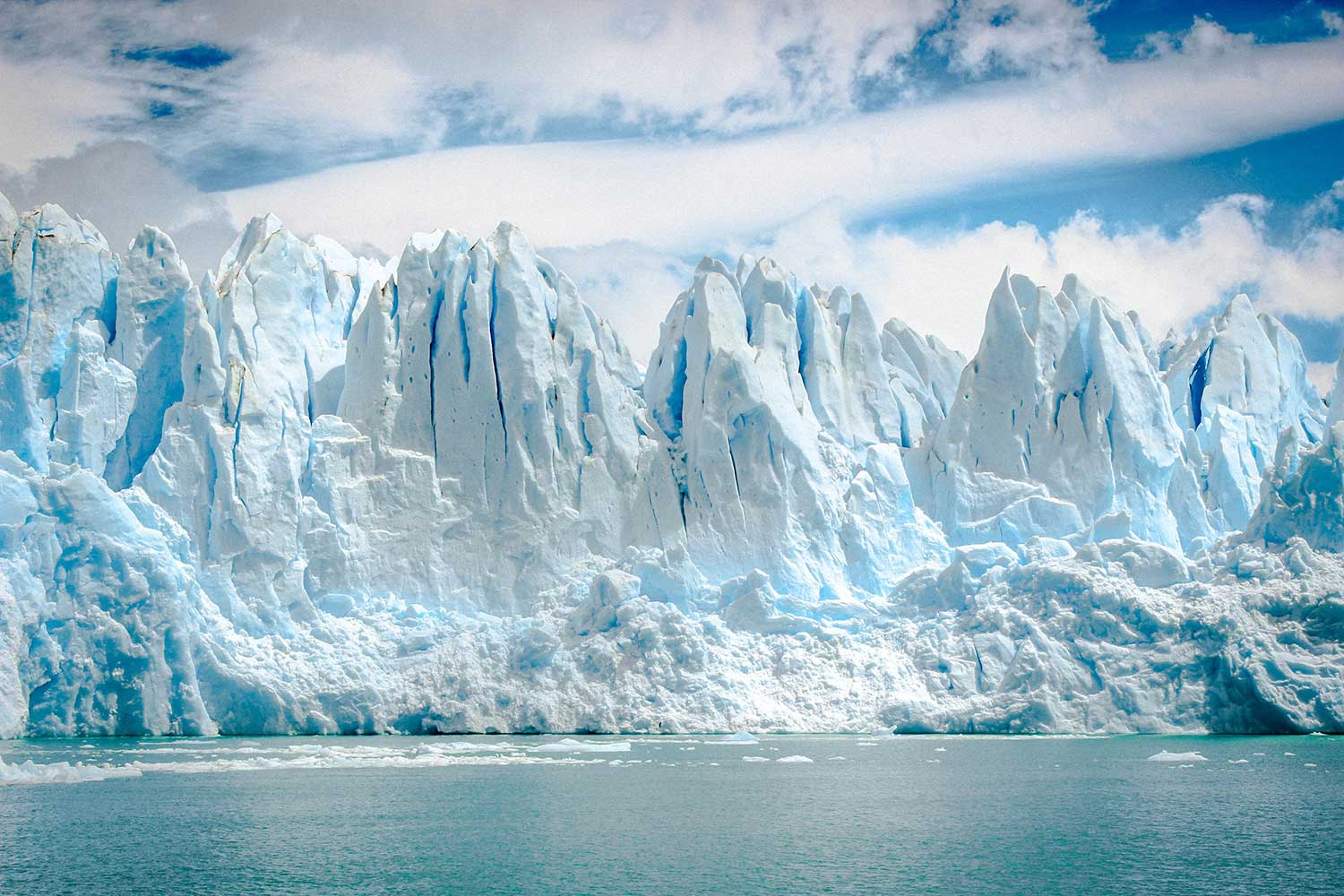
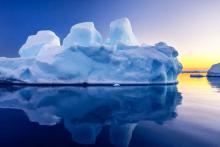
Welcome to Glaciers Month, celebrated each March to honor these awe-inspiring ice giants that carve landscapes, shape ecosystems, and store most of Earth’s fresh water. Glaciers have helped form some of the most stunning natural wonders, from towering fjords to expansive valleys. However, with rising global temperatures, these frozen giants are receding, making it all the more crucial to recognize their importance and raise awareness of their fragility.
All About Glaciers: Nature’s Ice Sculptors
Glaciers are large masses of ice and snow that accumulate over centuries. When snowfall exceeds melting, it compacts into thick ice sheets, which begin to move due to gravity and the pressure of the layers above. This slow movement allows glaciers to sculpt landscapes, creating valleys, lakes, and mountains as they advance and retreat over time.
Types of Glaciers There are two main types of glaciers:
-
Alpine (or Mountain) Glaciers: These glaciers form on mountainsides and move downward through valleys. They are often found in high-altitude regions and are responsible for some of the most stunning glacial landscapes, such as the valleys and peaks in the Rockies and the Himalayas.
-
Ice Sheets and Ice Caps: Ice sheets are massive, covering areas larger than 50,000 square kilometers (like the Antarctic and Greenland ice sheets). Ice caps are smaller and typically cover areas under 50,000 square kilometers but still play a crucial role in global climate and sea levels. Ice sheets and caps contribute to rising sea levels when they melt.
There are also several smaller glacier types, including tidewater glaciers (which reach the ocean), hanging glaciers (found on steep mountain slopes), and cirque glaciers (small glaciers in bowl-shaped depressions).
Are Glaciers Disappearing?
Yes, unfortunately, glaciers are receding at an alarming rate. Studies show that glaciers are losing ice at faster rates than ever recorded, contributing to sea-level rise, changing ecosystems, and affecting water availability for millions of people. Rising temperatures are causing glaciers to melt faster than they can accumulate ice, a process that is profoundly affecting places like the Alps, Himalayas, Andes, and the polar regions. If trends continue, many smaller glaciers may disappear within a few decades.
Why Glaciers Deserve a Month of Celebration
By celebrating Glaciers Month, we not only bring awareness to their beauty and importance but also highlight the need for climate action and conservation efforts to protect these natural wonders and the ecosystems they support.They are essential to Earth’s environmental balance, and their disappearance would have vast consequences. Glaciers are:
- Freshwater Reserves: Glaciers store about 69% of the planet’s freshwater, playing a crucial role in water availability for rivers, lakes, and communities.
- Climate Regulators: Glaciers help regulate temperatures by reflecting sunlight. As they shrink, less sunlight is reflected, accelerating global warming.
- Ecosystem Supporters: Glaciers support unique ecosystems and species adapted to cold environments, from mountain plants to polar animals. Many of these species are at risk of extinction as glaciers recede.
March’s Glaciers Month is a reminder to appreciate glaciers not just for their scenic beauty but for the vital role they play in Earth’s ecosystem.
How to Celebrate Glaciers Month
Whether you’re close to a glacier or admiring them from afar, here are some ways to join in the celebration:
Visit a Glacier
If you’re near a glacier, such as Alaska’s Mendenhall Glacier or the Athabasca Glacier in Canada, consider planning a trip. Many national parks offer guided glacier tours that educate visitors on glacial science and their environmental impact.
Plan a Glacier Vacation or Cruise
March is a perfect time to start planning and book your glacier vacation. Glaciers are beautiful travel destinations and a source of inspiration for adventurers, scientists, photographers, and travelers worldwide.
Attend Virtual Tours and Talks
Can’t visit in person? Many environmental organizations host virtual tours, webinars, and documentaries. Check for events hosted by the National Park Service, NASA, or National Geographic.
Support Conservation Organizations
Donate to or volunteer with organizations focused on climate action, such as the Glacier National Park Conservancy, The Nature Conservancy, or global climate organizations. Every effort helps raise awareness and support for research and preservation.
Engage in Climate Action
Celebrate Glaciers Month by making climate-conscious choices, such as reducing energy use, cutting down on waste, or supporting renewable energy initiatives. Small changes contribute to broader climate action efforts that can help protect glaciers.
Create Art or Share Knowledge
Create glacial-inspired art, photography, or poetry to capture their beauty and share it with your friends or online community. Alternatively, share educational posts on glaciers to help spread awareness of their importance.
Social Media Sharing Tips for Glaciers Month
Social media is a powerful platform to share your love for glaciers and raise awareness. Here are some tips to make the most of Glaciers Month online:
-
Post Photos and Videos
If you’ve visited glaciers, share your best photos and videos with a story about your experience. No firsthand footage? Use images from royalty-free platforms or share posts from conservation organizations.
-
Use Hashtags to Connect
Popular hashtags like #GlaciersMonth, #CelebrateGlaciers, #FrozenGiants, #ProtectOurPlanet, and #MeltingGlaciers can help your posts reach others celebrating Glaciers Month.
-
Share Climate Action Resources
Share information, articles, and resources about the importance of climate action and how it relates to glacier conservation. Educating others can inspire change.
-
Highlight Local and International Efforts
Showcase efforts from around the world to preserve glaciers and combat climate change. From glacial monitoring projects to sustainable practices, spreading awareness of these efforts can inspire others to get involved.
How Glaciers Month Unites Us
Glaciers are a reminder of the interconnectedness of our planet’s natural systems. Whether we live near a glacier or in a region that relies on glacial meltwater, we are all affected by these majestic formations. Glaciers Month encourages people worldwide to come together in appreciation and awareness, sharing stories and experiences that bridge cultural and geographical divides.
As we celebrate Glaciers Month, we unite in the recognition that we must protect these natural wonders to sustain Earth’s environmental balance for future generations. It’s a shared responsibility that calls for global unity, reminding us that our individual actions impact the planet we all share.
Let’s take March as an opportunity to honor glaciers, celebrate their beauty, and deepen our commitment to climate action.
Happy Glaciers Month!
Unity Months
Celebrate