World Archipelagos & Islands Month
Celebrating Archipelagos & Islands Month – May
A HolidaySmart Spotlight on the World’s Island Wonders
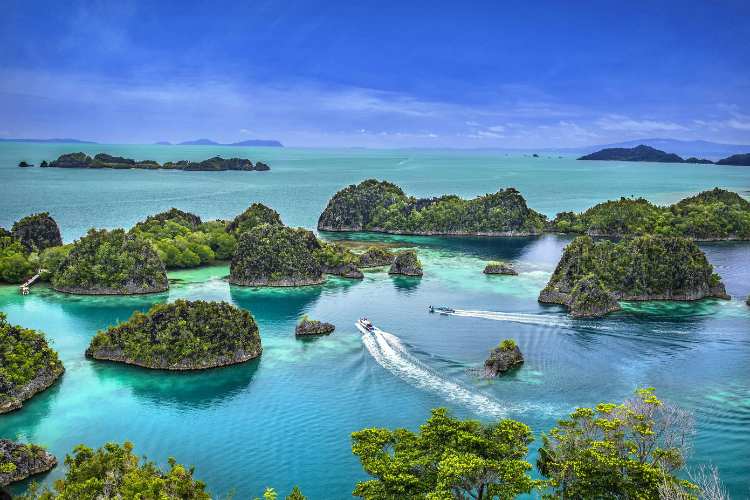
May is Archipelagos & Islands Month, a celebration of the planet’s most captivating geographic formations. Places where sea meets land, biodiversity flourishes, cultures bloom, and human connection thrives across shores. From volcanic chains rising boldly from the deep to coral rings glowing turquoise in the sun, archipelagos and islands tell the story of Earth’s ancient past and inspire modern travelers, conservationists, and dreamers.
Created by Patti Jewel, founder of Walk in the Sand, this month continues her global movement to celebrate and appreciate the world’s beaches in every season. Patti is also the creator of Walk in the Sand Day, World Beach Day, and World Beach Month, inspiring people everywhere to connect with the shoreline.
This month encourages everyone, from global adventurers to armchair explorers, to learn about these unique ecosystems, appreciate their cultures, and celebrate the role they play in our shared humanity.
What Is an Archipelago?
An archipelago is a group, chain, or cluster of islands connected by geography, geologic history, or ecological ties. Some stretch across vast oceans; others fit within a single sheltered bay. These island groups often share similar origins, such as volcanic activity or continental fragmentation, but each develops its own unique character over time.
How Archipelagos Form
Earth’s dynamic processes create archipelagos in several ways:
1. Volcanic Activity
-
Many archipelagos form when underwater volcanoes erupt repeatedly, building islands over millions of years.
-
Example: Hawaii, Japan, Philippines, Aleutian Islands.
2. Tectonic Plate Movement
-
When plates collide or pull apart, the shifting crust can uplift land or create rift zones filled by volcanic formations.
-
Example: Indonesia, which sits at the meeting point of multiple tectonic plates.
3. Coral Growth & Atoll Formation
-
Coral reefs grow on volcanic foundations, and as volcanoes sink, coral rings remain, creating atolls.
-
Example: Maldives, Marshall Islands, Tuamotu Archipelago.
4. Erosion & Glacial Processes
-
Ancient continents break apart; glaciers carve coastlines and leave behind island clusters.
-
Example: Canadian Arctic Archipelago, British Isles, Patagonian fjordlands.
How Individual Islands Form
Individual islands may arise through:
-
Volcanic eruptions creating newly surfaced land.
-
Coral reef growth building up over submerged rock.
-
Rising sea levels isolating sections of continental land.
-
Glacial retreat leaving behind rocky landmasses.
-
River deltas forming sediment islands such as those in Bangladesh.
Each island is a snapshot of Earth’s geology in motion.
Major Archipelagos of the World
Here are some of the most notable archipelagos, each with unique ecological and cultural significance:
-
Indonesian Archipelago – The world’s largest, with 17,000+ islands.
-
Philippine Archipelago – 7,600+ islands shaped by volcanoes and coral systems.
-
Japanese Archipelago – 6,800+ islands formed at tectonic plate boundaries.
-
Caribbean Islands – A mix of volcanic, coral, and continental islands.
-
Hawaiian Archipelago – Volcanic islands stretching across the Pacific.
-
British Isles – Islands shaped by glacial and river erosion.
-
Aegean Islands (Greece) – Thousands of islands shaped by tectonics and ancient seas.
-
Canadian Arctic Archipelago – Over 36,000 islands carved by ice.
-
Maldives & Marshall Islands – Coral atoll chains vulnerable to sea-level rise.
-
Fiji, New Zealand, Solomon Islands, Seychelles, Galápagos, Canary Islands, Azores, Tierra del Fuego – Each with its own blend of geology and biodiversity.
The World’s Largest Islands (Single Islands)
Archipelagos often include some enormous individual islands. The world’s largest single islands include:
-
Greenland
-
New Guinea
-
Borneo
-
Madagascar
-
Baffin Island
-
Sumatra
-
Honshu (Japan)
-
Victoria Island (Canada)
-
Great Britain
-
Ellesmere Island
These giants host millions of people, countless species, and deep cultural histories.
Why Celebrate Archipelagos & Islands Month?
Islands and archipelagos are more than beautiful destinations,
they are cultural, ecological, and scientific treasures. Celebrating them in May shines a light on:
Biodiversity
Islands are hotspots of unique species that evolved in isolation, think Galápagos tortoises or Madagascar lemurs.
Cultural Diversity
Island cultures are rich with traditions, music, cuisine, and storytelling shaped by the ocean.
Environmental Awareness
Islands face urgent challenges:
-
Sea-level rise
-
Coral bleaching
-
Coastal erosion
-
Habitat loss
Celebration fosters education, advocacy, and global responsibility.
Connection & Unity
Islands symbolize both separation and connection, the way people, traditions, and ecosystems interact across distance. Celebrating them highlights humanity’s shared caretaking of the planet.
How to Celebrate Archipelagos & Islands Month
Whether you live by the sea, dream of tropical escapes, or simply love geography, there’s a way to join the celebration:
1. Explore Through Books, Films & Documentaries
Dive into stories, nature films, or travel guides that explore island life and ecosystems.
2. Learn About Island Cultures
Try traditional recipes, music, languages, or art from island communities around the world.
3. Support Conservation
Donate to or follow organizations protecting reefs, coastlines, and island wildlife.
4. Share Your Island Experiences
Post photos, memories, or bucket-list destinations using awareness hashtags.
5. Teach Kids About Islands
Use maps, crafts, or nature lessons to inspire the next generation of explorers.
6. Plan a Beach or Coastal Clean-Up
Small acts make huge differences for fragile island ecosystems.
7. Virtual Island Hopping
Take online virtual tours of archipelago regions, perfect for families or classrooms.
How This Celebration Brings People Together
Archipelagos symbolize the idea of many small pieces forming a beautiful whole. When people celebrate them:
-
Communities learn about cultures different from their own
-
Environmental groups unite for conservation efforts
-
Travelers share experiences that inspire connection
-
Families explore geography and nature together
-
Educators and students engage with global understanding
In honoring islands, we honor the shared threads that link humanity across oceans.
Unity Months
Celebrate