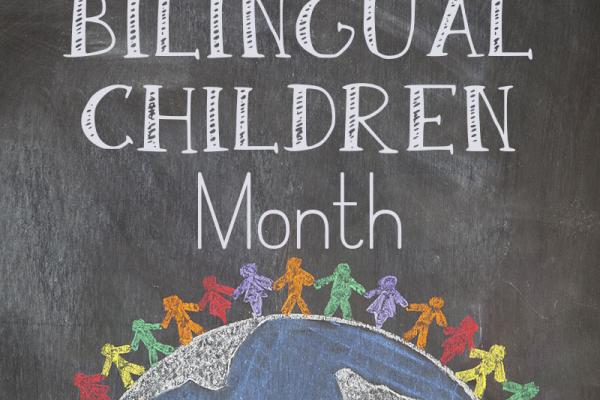
There are many studies surrounding the benefits of multilingualism and the best methods to teach infants and children multiple languages. Language learning stimulates the mind, improves concentration and builds strong social interactions. There are many fun and interactive ways for learning. Even though knowing multiple languages as an adult is beneficial, there are many studies that suggest negative outcomes if not taught correctly. It is up to parents, teachers, and caregivers to select the best methods for each child.
Being multilingual breaks barriers between people by being able to communicate through diverse languages. Knowing more than one language can help understand others in a deeper and more meaningful way, it helps understand other cultures and customs, and it is highly beneficial for future opportunities. Children growing up with more than one language tend to be immersed in a multi-cultural environment making them more open-minded and accepting of others. Knowing various languages is the perfect way to unite people by understanding the core of their knowledge and being more naturally in-tuned with diversity.
There are different methods to teach a second language to a child and they can all be combined:
One person one language (OPOL): one parent speaks one language and the other a different language. Known for being the best method and provides regular exposure to both languages.
Minority language at home (ML@H): speaking the minority language at home, meaning the language spoken at home its not the same as the country/location residing in. Child learns native language outside of home.
Time and Place (T&T): One language in the mornings/another language in the afternoon and/or certain languages on certain days. Common in bilingual schools.
Mixed language policy (MLP): a different language is used depending on situations.
Two parents, two languages (2P2L): approach for bilingual parents. Each parent can speak to the child two different languages.
Benefits of being multilingual:
Not only are bilingual children proven to show better understanding of patterns and learning, but they are also more likely to have a rich cultural understanding and be more accepting of other cultures.