Celebrating Caves & Cavern Month Exploring and Discovering the Worlds Best
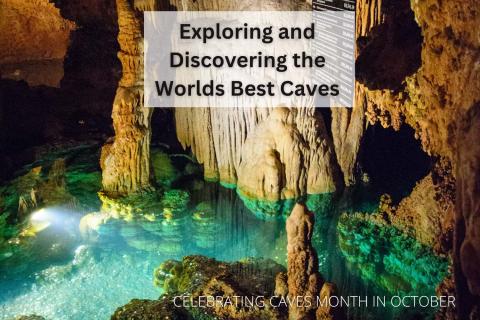
October is officially Caves & Cavern Month, and as a travel enthusiast who loves to explore the hidden wonders of the Earth, I couldn’t be more excited to dive into the dark, mysterious world beneath the surface.
From limestone caves adorned with sparkling stalactites to ice caves that shimmer in the cold, caves have always held a certain allure for me. Whether you’re a seasoned spelunker or a casual adventurer, this month is the perfect time to explore these natural marvels.
North America
The Land of Stalactites and Lava Tubes
North America is home to some of the most famous and accessible caves on Earth, and many of them are located in the United States.
Carlsbad Caverns (New Mexico, USA)
Best Known For: Majestic limestone formations and bat colonies
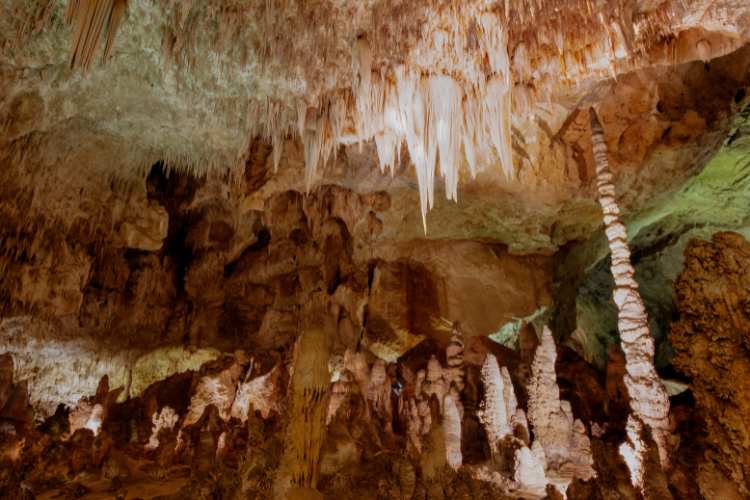
Carlsbad Caverns is one of the crown jewels of the U.S. National Parks. With over 119 caves, this park offers some of the most awe-inspiring underground landscapes I’ve ever seen. The Big Room, one of the largest underground chambers in North America, is absolutely breathtaking. The park is also famous for the nightly bat flight, where thousands of Mexican free-tailed bats emerge from the cave at dusk. If you're there in the evening, don't miss this natural spectacle!
Tip for Exploring: Wear sturdy shoes as the paths can get slippery, and don't forget to bring a jacket! The cave temperature stays a cool 56°F (13°C), regardless of the weather outside.
Painted Cave (California, USA)
Best Known For: Prehistoric Native American art and coastal beauty
The Painted Cave on Santa Cruz Island is one of the most famous sea caves in the world, known for its striking rock art created by the island's Chumash people over 1,000 years ago. It’s a sacred site, and the paintings depict a variety of animals, human figures, and abstract designs.
Tip for Exploring: The Painted Cave is best explored by boat, and it’s part of the Channel Islands National Park. The caves’ coastal setting provides spectacular views of the ocean and rugged cliffs. Make sure to book a guided tour to learn about the history and cultural significance of the art.
Luray Caverns (Virginia, USA)
Best Known For: Stunning mineral formations and underground concerts
Luray Caverns is a must-see for those interested in geology and music. The Stalactite Organ is a remarkable feature here, producing notes when its stalactites are struck. It’s amazing to see the geological formations that make up this spectacular cave system. I was enchanted by the beauty of the Titania’s Veil, a delicate curtain of mineral deposits that looks like a frozen waterfall.
Tip for Exploring: Take the time to linger and appreciate the cave’s details. The guided tours here are fantastic, providing insight into both the cave's geology and the history of its discovery.
Mammoth Cave (Kentucky, USA)
Best Known For: The longest cave system in the world
With more than 400 miles of explored passages, Mammoth Cave is the longest cave system in the world! It’s an UNESCO World Heritage Site, and there’s no shortage of tours, from easy strolls to more adventurous spelunking excursions. The cave is rich in both history and geology, with large rooms and narrow tunnels to explore.
Tip for Exploring: If you want to see the cave in its full glory, opt for the Long Tour or the Domes and Dripstones Tour, which covers some of the more remote and visually stunning sections of the cave.
Lava River Cave (Oregon, USA)
Best Known For: Volcanic lava tubes
A completely different cave experience, Lava River Cave is a fantastic example of a lava tube. It was formed when lava flows cooled on the outside while still moving inside, creating a hollow tunnel. Walking through this pitch-black cave is an eerie experience, with only your flashlight to guide you through the dark.
Tip for Exploring: Bring a headlamp to have your hands free for balance as you navigate the uneven floor. Be prepared for a bit of a hike, it's about 1 mile long!
The Cave of the Swallows (Mexico)
Best Known For: Deep vertical shaft
The Cave of the Swallows is famous for its massive vertical shaft, which plunges over 1,200 feet (365 meters) into the ground. This cave is one of the deepest in the world and is home to thousands of swallows, which fly in and out of the cave in dramatic formations. It's a popular spot for base jumping, too!
Tip for Exploring: If you’re into adrenaline, you can try base jumping into the cave, or you can hike around the area to take in the jaw-dropping views of the cave entrance.
Cuervito Cave (Mexico)
Best Known For: Ancient human remains and rock art
In Chihuahua, Cuervito Cave is an important archaeological site, where ancient human remains and cave art have been found. The cave sits in a desert landscape and holds secrets about early human habitation in the region. While the cave itself is modest in size, the discoveries made within it offer a fascinating glimpse into prehistory.
Tip for Exploring: Access to the cave is restricted to researchers and certain tours, so check ahead for available guided tours. It’s best to book in advance, especially if you’re interested in the archaeological aspects of the cave.
South America
Caves of Ancient Civilizations and Natural Wonders
South America is rich with both natural and cultural caves, where history, geology, and adventure collide. From the Andes Mountains to the jungles of Brazil, these caves offer a glimpse into ancient civilizations and some of the world’s most stunning landscapes.
Cueva de las Manos (Argentina)
Best Known For: Ancient cave paintings and prehistoric art
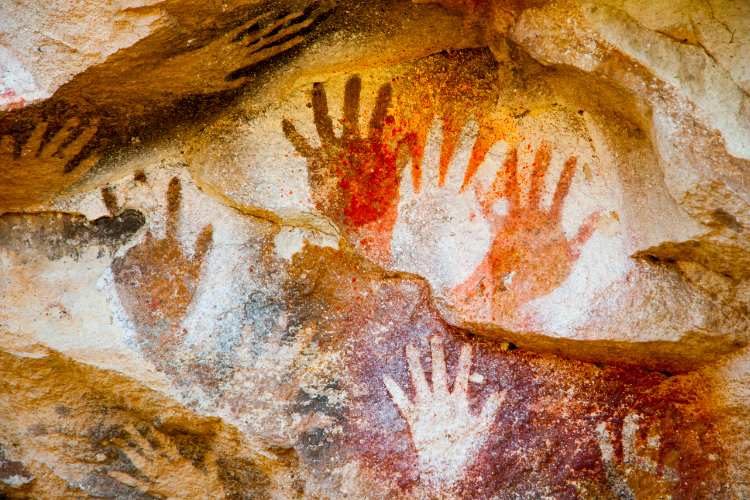
Cueva de las Manos (Cave of the Hands) in Patagonia is a UNESCO World Heritage site famous for its prehistoric handprint art dating back 13,000 years. This cave offers a direct link to the ancient peoples who once inhabited this region. The art is unique in its expression, and seeing these markings on the walls is both eerie and awe-inspiring.
Tip for Exploring: The cave is located in a remote area, so it’s best to book a tour from the nearest town (Perito Moreno) and make sure to check accessibility in advance due to weather conditions in the region.
Cueva de los Tayos (Ecuador)
Best Known For: Mysterious finds and extensive cave systems
The Cueva de los Tayos is one of the most mysterious caves in South America. Located in the Amazon Rainforest, it is believed to have been home to indigenous people, but what really sparks curiosity is the presence of ancient, unexplained objects found within the cave. There are rumors of hidden treasure, unknown civilizations, and even extraterrestrial artifacts, which have made it the subject of speculation for explorers and archaeologists alike.
Tip for Exploring: If you’re an experienced spelunker, this cave will excite you. But because of its remote location, it’s crucial to go with an experienced guide. The caves can be tricky to navigate, so bring a helmet, flashlight, and sturdy footwear.
Gruta do Lago Azul (Brazil)
Best Known For: Stunning blue lake inside a limestone cave
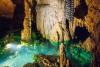
The Gruta do Lago Azul (Blue Lake Cave) in Bonito, Brazil, is a stunning limestone cave with an underground lake that’s famous for its incredibly vibrant blue color. The color is due to the minerals and clear water that create a mesmerizing visual effect. The cave is a popular tourist spot and is part of a protected ecological reserve.
Tip for Exploring: The cave has a set of stairs to descend, but it’s quite manageable. Be sure to visit early in the day when the light filters through the water, creating the best photographic conditions. Don’t forget your camera!
Australia
A Land of Ancient Caves and Geological Marvels
Australia is home to some of the world’s oldest caves, where you can experience everything from prehistoric art to extraordinary geological formations. The country’s caves are rich with Aboriginal history, rare wildlife, and stunning landscapes.
Jenolan Caves (New South Wales)
Best Known For: Stunning limestone formations and underground rivers
The Jenolan Caves are a world-renowned collection of limestone caves located in the Blue Mountains of New South Wales. These caves have been forming for over 340 million years and feature stunning stalactites, stalagmites, and underground rivers. With over 40 kilometers of caves to explore, Jenolan offers something for both casual tourists and avid cave enthusiasts.
Tip for Exploring: Guided tours take visitors through the most spectacular chambers, such as the Lucas Cave, known for its massive formations. Some tours also include opportunities for caving adventures in the deeper, more rugged parts of the system. If you want to try something different, look for night tours to experience the caves in a completely unique atmosphere.
Cave Hill (Victoria)
Best Known For: Aboriginal rock art and stunning views
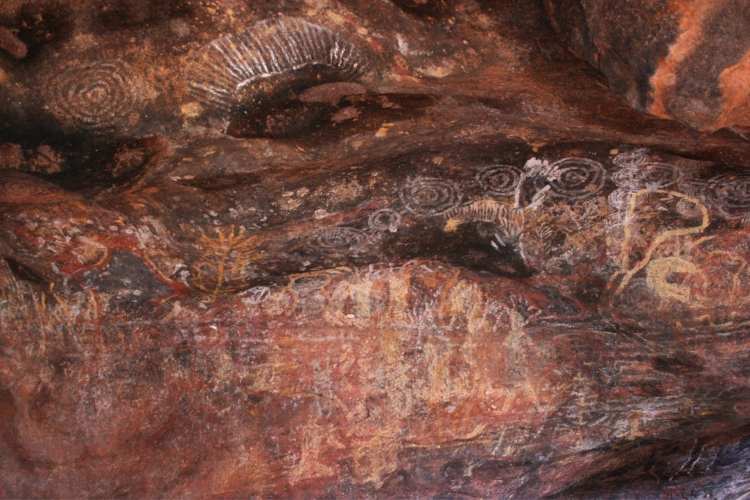
Cave Hill near Lake Eildon in Victoria is an important site for both nature lovers and those interested in Aboriginal culture. The cave features rock art believed to be over 1,000 years old, offering insight into the spiritual and cultural life of Australia’s First Peoples. The location provides stunning views over the surrounding hills and is an ideal spot for those wanting to connect with both nature and history.
Tip for Exploring: Be respectful of the site, as it is a sacred Aboriginal location. It’s a great place to hike and enjoy the views, but always travel with a guide to learn about the rich cultural history embedded in the area.
Naracoorte Caves (South Australia)
Best Known For: Fossils and ancient remains
Naracoorte Caves is a UNESCO World Heritage site known for its fossil deposits that offer a glimpse into the life of ancient Australia. The caves were home to extinct megafauna, and visitors can view the fossilized remains of animals like giant kangaroos, marsupial lions, and giant wombats. The caves themselves are beautiful, with intricate rock formations and stunning limestone structures.
Tip for Exploring: Take a guided tour to the Bat Cave, which is home to thousands of bats, or visit the Fossil Cave to see actual fossil beds. The caves are also open for caving experiences where you can explore more remote chambers.
Undara Lava Tubes (Queensland)
Best Known For: Volcanic formations and wildlife
Undara Lava Tubes are formed from ancient volcanic activity and are one of the world’s longest networks of lava tubes. Located in Far North Queensland, the tubes were formed by flowing lava that solidified on the outside while leaving a hollow core. These tubes have created a unique landscape that is rich in flora and fauna, including a variety of bat species.
Tip for Exploring: Take a guided tour through the tubes to learn about their geological history and spot wildlife such as bats and various native plants. The region also offers camping and wildlife spotting opportunities, making it a great outdoor adventure.
Mount Gambier Caves (South Australia)
Best Known For: Blue Lake and sinkholes
The Mount Gambier Caves are famous for their stunning sinkholes, particularly Blue Lake, which changes color dramatically between winter and summer. The cave systems surrounding the lake are beautiful and include limestone formations, underground springs, and natural pools.
Tip for Exploring: Visit the Blue Lake in summer to witness the striking change in color, and take a guided cave tour to explore the underground chambers. The Engelbrecht Cave is another popular spot, where visitors can swim in crystal-clear waters surrounded by dramatic rock formations.
The South Pacific
Cave Systems in Paradise
The South Pacific is not just about pristine beaches and tropical rainforests; it’s also home to some of the most intriguing cave systems that offer adventure, beauty, and culture. From hidden caves in lush jungles to underwater caves, the South Pacific has something for everyone.
The Blue Grotto (Philippines)
Best Known For: Blue water and underwater exploration
The Blue Grotto (also known as Hinatuan Enchanted River Cave) in the Philippines is famous for its striking blue waters and mystical surroundings. The cave is located near the Hinatuan Enchanted River on the island of Mindanao. The clear, turquoise waters have a magical, almost ethereal quality, and the surrounding jungle adds to the sense of mystery.
Tip for Exploring: While the cave is mostly accessible by boat and water, you can also explore nearby areas of the river and experience the natural beauty of the surroundings. It’s ideal for swimmers, snorkelers, and anyone looking to capture the beauty of an enchanted spot.
Taveuni Caves (Fiji)
Best Known For: Sacred sites and tropical exploration
The Taveuni Caves on the island of Taveuni in Fiji are culturally significant for the local Fijian people. These caves have been used for centuries by the indigenous community for spiritual rituals, and they are considered sacred. The caves themselves are lush with tropical vegetation, and their interiors are bathed in sunlight streaming through small openings.
Tip for Exploring: These caves are best explored with a local guide, who can explain the cultural and spiritual significance of the site. Be prepared for a hike through dense jungle terrain to reach the caves, and wear sturdy footwear.
Waitomo Caves (New Zealand)
Best Known For: Glowing worms and unique limestone formations
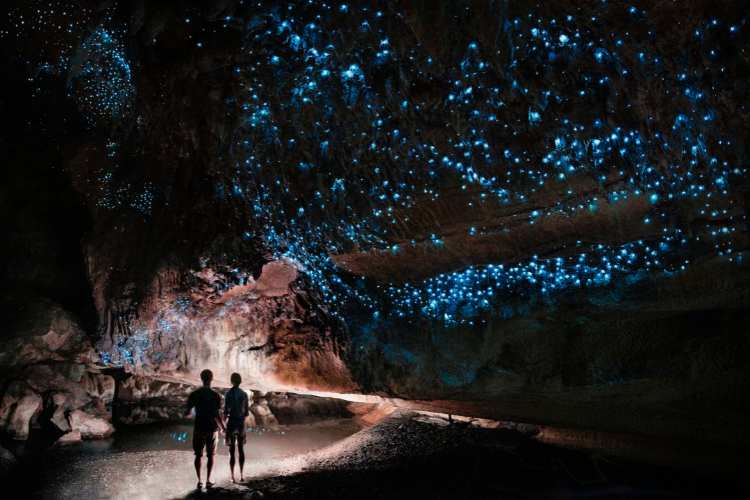
Waitomo Caves in New Zealand are world-famous for their stunning bioluminescent glowworms. The caves are part of the country’s karst landscape, which is full of intricate limestone formations. I had the chance to take a boat ride through the caves, where the glowworms lit up the ceiling like stars in the night sky. It was an ethereal experience.
The glowworms are unique to New Zealand and create a magical experience for visitors. The limestone formations in the caves are equally stunning, with waterfalls, stalactites, and stalagmites throughout.
Tip for Exploring: The Glowworm Cave tour is a must, as it takes you on a boat ride under the glowing lights. If you’re feeling more adventurous, try the black-water rafting tour, where you can float down the river inside the cave in a rubber ring.
Suga Cave (Vanuatu)
Best Known For: Ancient human remains and archaeological significance
The Suga Cave in Vanuatu is an archaeological wonder, known for its ancient human remains and burial sites. The cave is believed to have been used as a burial site by the indigenous people of Vanuatu for thousands of years.
Tip for Exploring: The cave is located in a lush, tropical environment, and visitors should go with a knowledgeable guide who can explain the archaeological and cultural history of the cave. It’s a fascinating destination for those interested in ancient civilizations and island cultures.
Europe
Ancient Caves and Artistic Marvels
Europe is rich with caves that blend history, culture, and stunning natural formations.
Chauvet Cave (France)
Best Known For: Prehistoric cave paintings
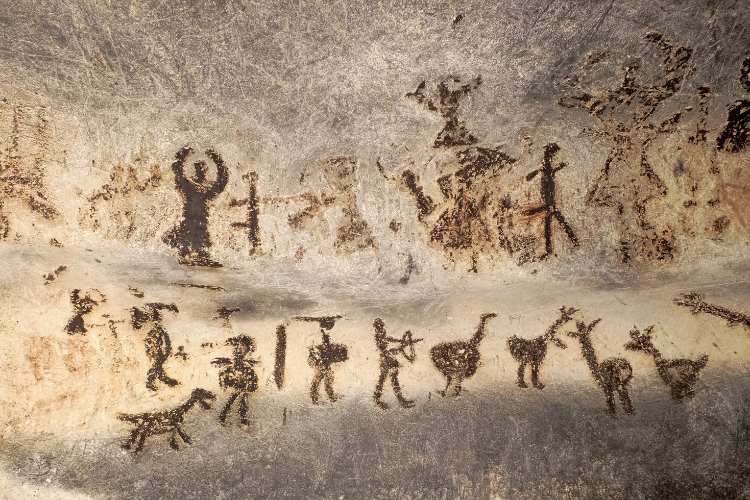
Chauvet Cave is one of the most important archaeological sites in the world, home to some of the oldest known cave paintings, dating back over 30,000 years. These stunning depictions of animals like lions, bears, and rhinoceroses offer a glimpse into the lives of early humans. While the cave itself is closed to the public to protect its fragile art, you can visit Caverne du Pont d’Arc, a replica cave that brings the experience to life.
Tip for Exploring: If you’re a history buff, make sure to join a guided tour at the replica site to learn about the discovery and significance of these ancient artworks.
Postojna Cave (Slovenia)
Best Known For: Underground train ride and massive cave system
Postojna Cave is one of Europe’s most impressive karst systems. It has over 24 kilometers of tunnels, galleries, and chambers. Visitors take an electric train through parts of the cave, which is one of the most unique cave experiences I’ve had! The formations here are spectacular, including the famous Brilliant—a perfect cone-shaped stalagmite.
Tip for Exploring: Take the full guided tour to explore the most dramatic parts of the cave, and don't miss the chance to see the rare human fish (Proteus) that lives in the cave's water.
Blue Grotto (Italy)
Best Known For: Glowing blue water
The Blue Grotto in Capri is a sea cave famous for its vivid blue water, which glows in the sunlight. The cave can only be accessed by boat, and when you enter, the light filters through the water and creates an otherworldly effect. It’s a must-visit spot for anyone traveling to the Amalfi Coast.
Tip for Exploring: Go early in the morning to avoid the crowds and catch the Blue Grotto in its most serene state.
Fingal’s Cave (Scotland)
Best Known For: Hexagonal basalt columns
This sea cave, located on Staffa Island, is known for its dramatic columns of basalt, formed by volcanic activity millions of years ago. The symmetry of the columns is striking, and the acoustics inside the cave are incredible, making it a popular spot for music lovers and photographers alike.
Tip for Exploring: Take a boat tour to the island during calm weather, and bring your camera to capture the dramatic landscape. The best way to appreciate the cave is from the sea.
Asia
A World of Diverse Caves and Hidden Wonders
Asia offers a range of caves, from the underground river systems of the Philippines to the mystical Buddhist caves of China. Many caves here are linked to spirituality, legends, and ancient cultures.
Son Doong Cave (Vietnam)
Best Known For: The largest cave in the world
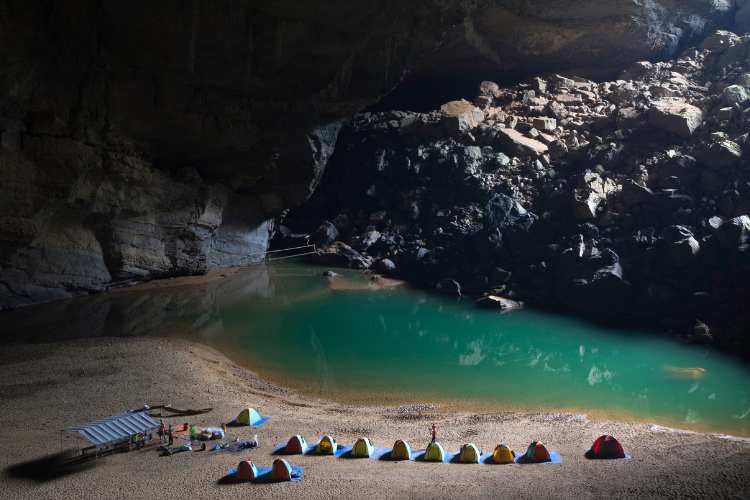
Son Doong Cave in Vietnam is the largest cave in the world by volume. It’s so massive that it has its own ecosystem and even a river flowing through it. Visiting this cave feels like stepping into another world. It’s so vast that it has its own weather system and vegetation.
Tip for Exploring: Visiting Son Doong requires booking a guided expedition, as only a limited number of visitors are allowed each year. Be prepared for a multi-day trek through the jungle and cave system
Batu Caves (Malaysia)
Best Known For: Hindu temple and limestone formations
Batu Caves in Malaysia are a sacred site for Hindus and a stunning natural landmark. Inside the caves, you’ll find temples, statues, and murals, as well as the famous Batu Cave Temple. The limestone formations are also incredibly scenic, making it a popular destination for both worshippers and tourists.
Tip for Exploring: Be prepared for a steep climb up to the cave entrance, as there are over 270 steps. Once at the top, the view of the surrounding area and the cave itself is spectacular.
Reed Flute Cave (China)
Best Known For: Colorful lighting and stunning rock formations
Reed Flute Cave in Guilin, China, is famous for its colorful lighting and intricate limestone formations. Known as the "Palace of Natural Art," the cave’s spectacular rock formations are complemented by a vibrant lighting system, making it a photographer’s dream.
Tip for Exploring: The cave is well-lit, but bring a camera to capture the colorful lights and incredible rock formations. The cave is very popular with tourists, so try to visit early in the day to avoid the crowds.
Africa
Caves of Cultural Significance and Natural Beauty
Africa boasts caves that not only feature stunning natural beauty but also harbor crucial historical and cultural significance, with many caves being sacred sites or home to ancient human remnants.
Cave of Swallows (South Africa)
Best Known For: Ancient human skeletons and rock art
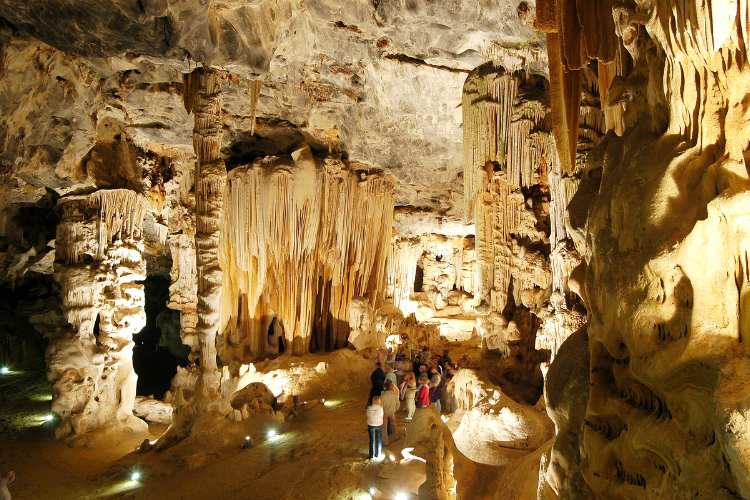
The Cave of Swallows (Cango Caves) in South Africa is famous for both its limestone formations and prehistoric rock art. The caves contain evidence of early human settlement, with fossils of early hominids and stunning cave paintings that reveal the stories of ancient cultures.
Tip for Exploring: While the caves are open for tours, it’s recommended to book the adventure tour if you want to explore the more remote chambers and get a close-up view of the rock art. Wear a helmet and bring a good flashlight!
Sof Omar Cave (Ethiopia)
Best Known For: Massive underground system and sacred significance
Sof Omar Cave in Ethiopia is one of the largest and most spectacular cave systems in East Africa. Known for its immense size and the river that runs through it, the cave is a significant religious site for local Muslims. It’s believed to be the home of spirits, and the stunning geological formations inside are awe-inspiring.
Tip for Exploring: The cave is located in a remote area, so make sure you plan your trip in advance. A guide is essential, as they can explain the religious significance of the cave as well as help navigate its vast underground tunnels.
Sterkfontein Caves (South Africa)
Best Known For: Early hominid fossils and archaeological importance
The Sterkfontein Caves in South Africa are a UNESCO World Heritage Site, famously home to some of the most significant early hominid fossils ever discovered. If you’re interested in anthropology, this is a must-see. The caves are part of the Cradle of Humankind, a region known for its fossil records that provide insight into human evolution.
Tip for Exploring: Take the guided tour to learn about the discoveries made here, such as the fossilized remains of Australopithecus. Be prepared to climb narrow passages to reach the fossil chambers.
Tsodilo Hills (Botswana)
Best Known For: Ancient rock art and sacred significance
Tsodilo Hills in Botswana is a series of caves that are home to some of the oldest rock art in Africa, with over 4,500 paintings. The paintings have immense cultural and spiritual significance to the local communities and have earned the site recognition as a UNESCO World Heritage Site.
Tip for Exploring: Visit the rock art with a local guide, as they can explain the meaning of the artwork and its connection to local spiritual beliefs. The hike to the cave is moderate, but the views and cultural experience are worth the effort.
Cave of the Crystals (Morocco)
Best Known For: Rare and beautiful mineral formations
While Morocco is not typically known for its caves, Cave of the Crystals in the Atlas Mountains is one of the world’s most stunning examples of mineral formations. The walls and ceilings are covered in large gypsum crystals, creating a magical, otherworldly atmosphere.
Tip for Exploring: The cave is remote, so it’s best to arrange a tour in advance. Because of the delicate nature of the minerals, it’s important to respect the preservation guidelines while visiting.
Tips for Exploring Caves Around the World
- Wear Comfortable Clothes: Caves often have uneven floors and can be slippery, some may require jackets or suggested clothing. Make sure to wear sturdy, comfortable shoes suitable for walking or hiking.
- Check for Accessibility: Some caves require specific gear (like headlamps or helmets) or involve physically demanding tours. Always check ahead to make sure you’re prepared for the type of cave exploration you want to do.
- Respect Cave Conservation: Many caves are delicate ecosystems. Avoid touching the formations, stay on marked paths, and follow all rules to help preserve these natural wonders for future generations.
- Plan for Lighting: Most caves are dark, so bring a flashlight or headlamp if not provided by the tour. Always check if the tour includes lighting or if you need to bring your own.
Caves and caverns are among the most fascinating natural wonders on Earth. From the incredible limestone formations of the U.S. to the historical significance of Europe's ancient caves, there’s no shortage of adventures waiting below the surface.
This Caves & Cavern Month, I encourage you to take a journey underground and marvel at the beauty and mystery that lies beneath our feet. Whether you're planning a trip to one of these spectacular locations or simply learning more about these geological treasures, the world of caves is ready to be explored. Happy adventuring!
Celebrate