Caves & Caverns Month
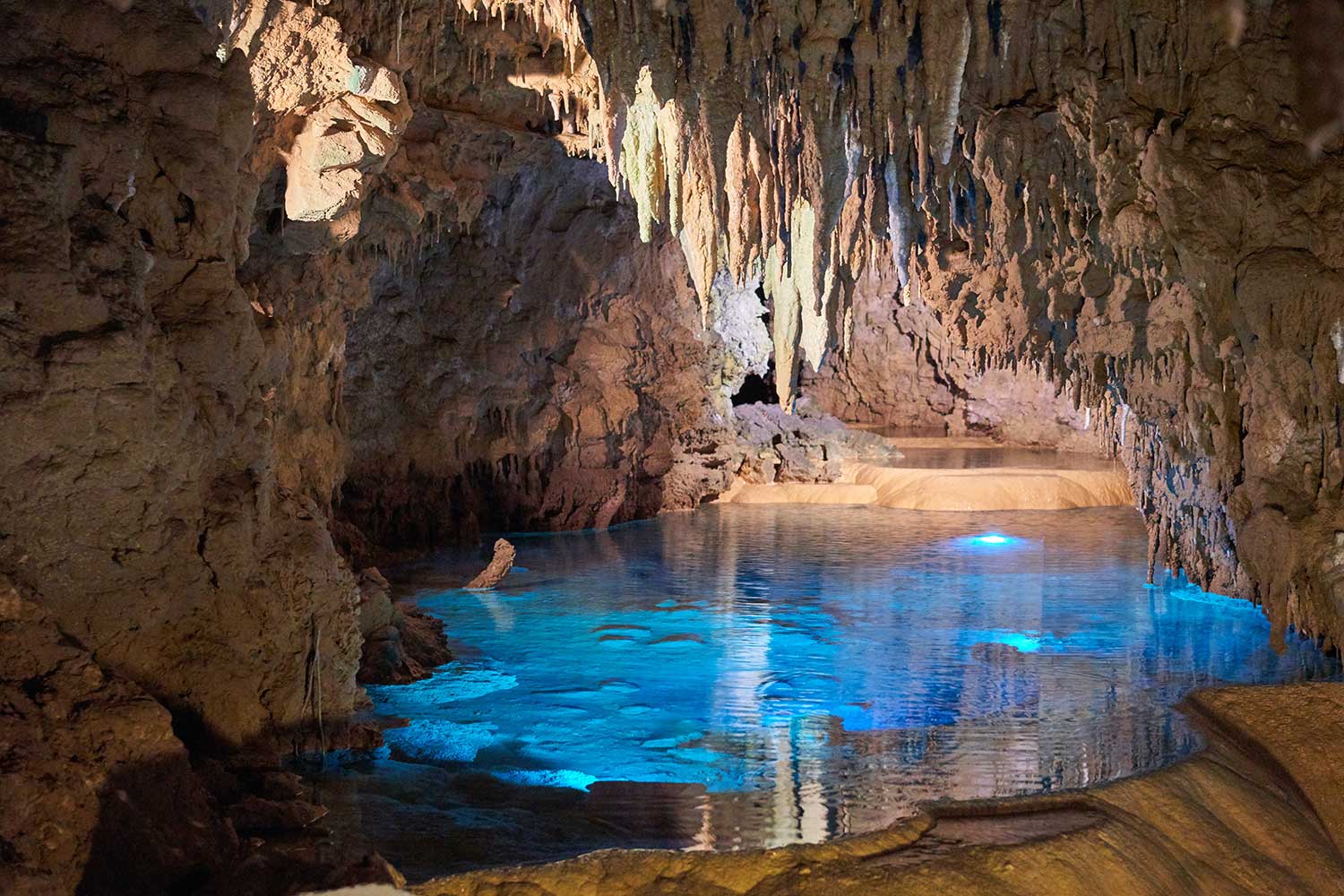
October is Caves & Caverns Month
Caves and caverns are some of Earth’s most awe-inspiring natural wonders. They are sculpted by centuries of water, wind, and geological forces, revealing intricate formations, underground lakes, and hidden ecosystems. Many caves are so remote that they've been untouched for millions of years, preserving delicate formations like stalactites, stalagmites, columns, and flowstones, some of which grow at rates so slow that they may take thousands of years to form just an inch.
But caves are more than just beautiful; they are essential for preserving unique ecosystems. These underground habitats support a wide range of specialized creatures, including bats, cavefish, blind shrimp, and cave crickets, that have adapted to life without sunlight. Caves have also been a vital part of human history, serving as shelters, spiritual sites, and, in some cases, even burial grounds. Some caves have revealed ancient artwork, offering insights into early human cultures.
All of this makes caves and caverns worthy of their own dedicated month—October!
Caves vs. Caverns: What’s the Difference?
In essence, "cave" and "cavern" are often used interchangeably, but technically, there can be a subtle difference:
-
Cave: A cave is a natural, hollow space or void found beneath the Earth's surface. It can vary widely in size, shape, and formation process. The term "cave" is a general descriptor and can refer to any underground space, regardless of how large or small it is.
-
Cavern: The term "cavern" is sometimes used to refer to a large, particularly impressive cave, often with dramatic or intricate formations. It tends to be more specific in describing an expansive cave system. However, in common parlance, “cavern” is just another word for a cave, especially when it refers to a particularly grand or well-known one.
While there may be some overlap in usage, the key takeaway is that "cavern" typically refers to a larger or more elaborate type of cave.
Different Types of Caves and Caverns
There are many types of caves and caverns, each with its own unique features, formation processes, and ecosystems.
Solutional caves form when water dissolves the bedrock, creating large underground chambers, such as the Carlsbad Caverns National Park in New Mexico, USA.
Erosional caves form when water erodes away at the bedrock, creating smaller caverns and passageways such as Fingal’s Cave on the Scottish island of Staffa. This cave was formed by centuries of wave action eroding the volcanic rock.
Tectonic caves form when plates collide and force rocks upwards, creating cracks and fissure such as the Thurston Lava Tube in Hawaii. Lava caves form when lava cools and hardens around a gas pocket, trapping the gas inside.
Limestone Caves (Karst Caves)
Formation Process: Limestone caves are the most common type of cave, created through the process of chemical erosion (called karst formation). Rainwater, slightly acidic due to dissolved carbon dioxide, seeps into cracks in limestone rock. Over time, this water dissolves the rock, creating underground voids.
Characteristics: These caves often feature stunning formations like stalactites (hanging from the ceiling) and stalagmites (growing from the ground). Over long periods, the dissolved limestone may form unique structures like columns and flowstones.
Popular Places:
- Carlsbad Caverns (New Mexico, USA) - This cave system features over 119 caves, the biggest of which is over 4 miles (6.4 kilometers) long!
- Waitomo Caves (New Zealand)
- Luray Caverns (Virginia, USA)
Ice Caves
Formation Process: Ice caves form in areas where the temperature inside remains consistently cold year-round. These caves can either be glacial caves or lava tube caves with ice formations. Glacial caves are found in ice sheets or glaciers, where melting water forms channels within the ice. Lava tube ice caves form in volcanic regions, where ice accumulates in the underground tubes left by flowing lava.
Characteristics: Ice caves are known for their frozen waterfalls, icicle formations, and frost-covered surfaces. The cool environment and frozen beauty make them magical and unique to visit, especially in the summer when the surrounding areas are much warmer.
Popular Places:
- Eisriesenwelt (Austria) – the largest ice cave in the world
- Werfen Ice Cave (Austria)
- Solheimajokull Ice Cave (Iceland)
Lava Tubes
Formation Process: Lava tubes are tunnels formed by flowing lava during volcanic eruptions. When lava flows down a slope, the outer edges cool and solidify, while the molten lava inside continues to flow. Over time, the molten lava drains away, leaving behind a hollow tube.
Characteristics: Lava tubes can vary in size from small passageways to massive caverns. They often have smooth, glossy walls and may contain unique features like lava stalactites (formed by lava dripping from the ceiling) or pahoehoe formations (lava formations that have a smooth, ropy texture).
Popular Places:
- Hawaiian Lava Tubes (Hawaii, USA)
- Craters of the Moon National Monument (Idaho, USA)
- Thurston Lava Tube (Hawaii, USA)
Sea Caves
Formation Process: Sea caves are formed by the constant wave action and erosion along coastlines, where the powerful movement of the water gradually wears away soft rock or cliffs, creating hollow spaces or caverns within them. They are most commonly found along coastlines made of limestone, sandstone, or volcanic rock.
Characteristics: Sea caves often feature dramatic entranceways and a rugged, rough appearance due to constant wave action. Over time, some sea caves may expand into arches or tunnels, which can even create blowholes where seawater shoots up through cracks in the rock.
Popular Places:
- Blue Grotto (Italy)
- Sea Caves of Channel Islands (California, USA)
- Fingal’s Cave (Scotland)
Show Caves
Formation Process: Show caves are naturally occurring caves that have been developed for tourism and public access. Many of these caves were discovered due to their impressive size, formations, or historical significance, and were later opened to the public with pathways, lighting, and safety measures.
Characteristics: These caves are equipped with walkways, lighting, and interpretive signs, making them accessible and educational for visitors. They often feature breathtaking formations such as stalactites, stalagmites, flowstones, and large chambers.
Popular Places:
- Luray Caverns (Virginia, USA)
- Carlsbad Caverns (New Mexico, USA)
- Postojna Cave (Slovenia)
Cave Systems
Formation Process: A cave system refers to a network of interconnected caves, often sprawling across vast underground landscapes. These cave systems form over time as water and erosion carve out complex passageways, chambers, and tunnels.
Characteristics: Cave systems can be incredibly large and complex, offering extensive exploration opportunities for experienced cave explorers. They may contain features like underground rivers, waterfalls, or even underground lakes. Some systems may extend for miles, with explorers mapping the complex networks over years.
Popular Places:
- Carlsbad Caverns (New Mexico, USA)
- Waitomo Caves (New Zealand)
- Lechuguilla Cave (New Mexico, USA) – one of the deepest caves in the U.S.
Quartz Caves
Formation Process: Quartz caves are less common than limestone caves but are still fascinating. These caves form in areas where quartz crystals have grown within fissures or fractures in rock, often as the result of mineral-rich water entering cracks and depositing minerals over time.
Characteristics: The most striking feature of quartz caves is their crystalline formations. The quartz may form large geodes (hollow rocks lined with crystals) or crystal clusters on the cave walls, creating a mesmerizing sparkling effect.
Popular Places:
- The Cave of the Crystals (Mexico) – famous for its large selenite crystals
- Cave of the Swallows (Mexico)
Caves of Cultural or Archaeological Significance
Formation Process: These caves may be formed from any of the above processes but are particularly significant because of their archaeological or cultural importance. Over centuries, caves have been used as homes, places of worship, burial sites, and artistic expression.
Characteristics: These caves often contain cave paintings, ancient tools, and other artifacts that offer insight into early human life. The formation itself may be less important than the cultural artifacts or remains found inside.
Popular Places:
- Chauvet Cave (France) – home to the earliest known cave paintings
- Altamira Cave (Spain) – famous for prehistoric cave art
Caves and caverns are fascinating natural wonders that showcase the power and beauty of Earth’s geology, as well as the delicate ecosystems that thrive within them. From the grandest limestone formations to the icy tunnels of the poles, these underground spaces offer unique glimpses into the history of our planet.
How to Celebrate Caves and Caverns Month
Take a Cave Tour
Whether it’s a local cave or an iconic cavern halfway across the world, taking a cave tour is one of the best ways to celebrate Caves and Caverns Month. Many caves offer guided tours, and some even have special events in October, such as candlelit tours or spooky-themed tours to celebrate Halloween.
Learn About Cave Conservation
Caves are delicate environments, and it’s important to raise awareness about preserving these underground ecosystems. During this month, take the time to learn about the threats caves face, such as pollution, vandalism, and climate change. Consider donating to organizations that protect caves, like the National Cave and Karst Research Institute.
Host a Cave-Themed Party
Whether it’s a spooky Halloween gathering or a nature-themed event, you can host a cave-themed party with cave-inspired decorations, food, and activities. Create a DIY cave setup in your living room, complete with stone-like decor, dim lighting, and eerie sounds to simulate the experience of exploring a cavern.
Support Cave Research and Conservation
Many caves are fragile ecosystems, and there are organizations dedicated to their research and conservation. Donate to cave conservation efforts or get involved with local organizations working to protect cave systems. This could include supporting bat habitat protection or encouraging sustainable cave tourism.
Social Media Tips for Sharing Your Cave Celebrations
- Use Hashtags: Share your cave explorations and experiences on social media using hashtags like #CavesAndCavernsMonth, #ExploreTheUnderground, or #CaveAdventure to spread awareness and join the celebration online.
- Share Photos and Videos: Whether it’s a photo of you exploring a cave or a video of glowing glowworms in Waitomo, social media is the perfect platform to share these unique, awe-inspiring experiences. Don’t forget to capture the intricate rock formations or any spooky cave-related moments that fit the season!
- Virtual Cave Tours: Not everyone can make it to a cave in person, but you can share virtual cave tours or recommend documentaries about famous caves to bring these hidden wonders to others.
- Engage with Others: Ask your followers to share their own cave adventures by creating a community through contests, photo challenges, or stories about their favorite caves. You can even hold a "best cave photo" contest and celebrate the winners online.
Uniting Through Caves and Caverns
Celebrating Caves and Caverns Month brings together a global community of explorers, nature lovers, and conservationists who share a love for these mysterious and essential natural wonders. Whether you're visiting a cave, learning about their preservation, or simply admiring the art and science behind them, the celebration of caves unites us in our shared fascination with the hidden world beneath our feet.
In October, as we delve into the shadows, we discover not only the underground world but also a deeper connection to nature itself.
Caves and caverns can be found all over the world, from the coldest mountains to the hottest deserts. In fact, there are even caves beneath the oceans! The next time you’re out exploring, keep your eyes peeled for these amazing landforms.
Unity Months

Celebrate