Grand Canyon Day
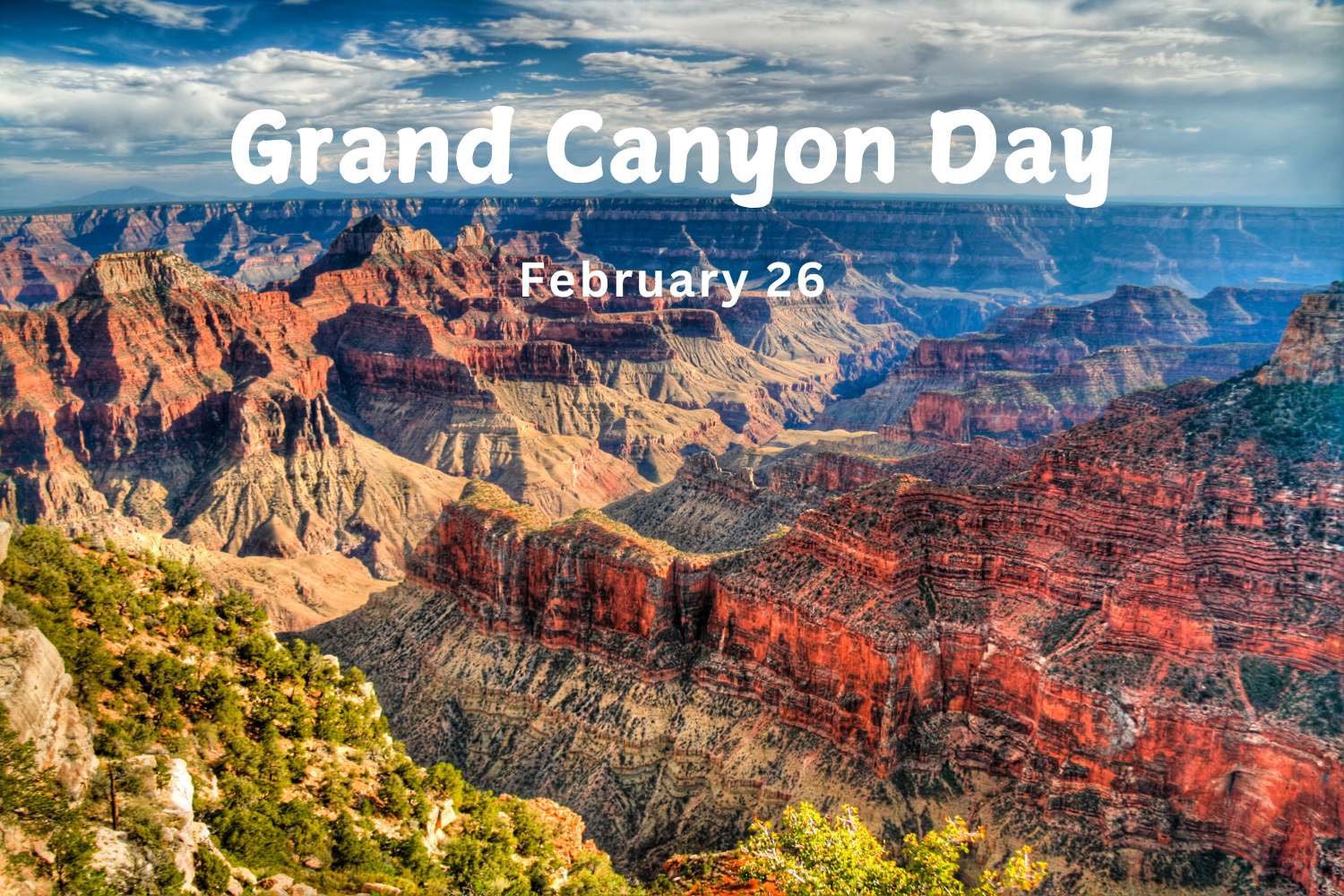
Grand Canyon Day
Grand Canyon Day is February 26, the date that marks the anniversary of the establishment of Grand Canyon National Park in 1919. This is the perfect opportunity to celebrate one of the world's most awe-inspiring natural wonders.
This day serves as a reminder of the canyon’s vast history, natural beauty, and ecological importance. For over a century, the Grand Canyon has captivated millions of visitors, from its intricate layers of red, orange, and brown rock, to the Colorado River carving through its depths, each detail telling a story of our planet's past. Celebrating Grand Canyon Day invites us all to appreciate this unique geological marvel and to recognize its cultural significance, particularly to the Indigenous tribes who have called the canyon home for thousands of years.
Ways to Celebrate Grand Canyon Day
Visit the Park
For those lucky enough to visit the park in person, the day can be spent hiking along the rim or even descending into the canyon for a closer look at its sheer walls, which rise majestically over a mile high in places. The canyon’s winter views are stunning, with the possibility of snow dusting the rim, creating a beautiful contrast against the red and orange layers. It's a quieter time for the park, offering a more peaceful celebration.
For those who can’t make it to Arizona, here are a few ways to celebrate this natural wonder on this day:
Virtual tours and live-streamed events offer a fantastic alternative, giving people worldwide a chance to explore the canyon’s sweeping vistas and geological treasures from afar.
Educational Events: Schools, museums, and online platforms could host events on geology, Indigenous history, and conservation efforts specific to the Grand Canyon.
Conservation and sustainability: the Grand Canyon is home to a wide range of ecosystems and supports diverse wildlife, from the endangered California condor to mule deer and unique desert plants. Grand Canyon Day could be an opportunity to support organizations focused on the park’s preservation, including the Grand Canyon Conservancy.
Social Media: Sharing personal stories, photos, or educational facts about the Grand Canyon on social media spreads awareness and appreciation for the canyon.
Plan a Vacation to the Grand Canyon: This day is the perfect opportunity to take some time and plan a trip to see and explore this natural wonder that is a popular item on most adventurer's bucket list.
Uniting People through Celebration
Grand Canyon Day is a reminder that this national treasure is a shared heritage, one that we can all help protect and celebrate for future generations. Celebrating the Grand Canyon unite nature lovers, adventurers, and conservationists in recognizing the Grand Canyon’s beauty, history, and importance as a national treasure.
All About the Grand Canyon
The Grand Canyon is one of the most iconic natural landmarks in the world, known for its immense size, breathtaking landscapes, and geological significance. Located in northern Arizona, it is one of the most visited national parks in the United States, drawing millions of tourists each year who come to witness its awe-inspiring beauty. Stretching over 277 miles (446 km) long, up to 18 miles (29 km) wide, and reaching depths of over 1 mile (1.6 km), the Grand Canyon offers a panoramic vista of rock layers, cliffs, and the winding Colorado River that has shaped it for millions of years.
Geological Wonder
The Grand Canyon is a geological masterpiece, revealing nearly 2 billion years of Earth’s history. It is primarily a fluvial landform, shaped by water erosivion from the Colorado River, along with tectonic activity and weathering, which started shaping the canyon millions of years ago.
Over time, the river, along with wind and rain, wore down the rock layers, creating the deep canyon we see today. What makes the Grand Canyon unique is its geological diversity, exposed rock layers in the canyon’s walls provide a visual record of the planet’s geological evolution, from ancient seas to volcanic eruptions.
The rocks of the canyon can be divided into three main groups:
- The Vishnu Schist, the oldest rock in the canyon, is over 1.7 billion years old and was formed deep under the Earth’s crust.
- The Bright Angel Shale and Redwall Limestone, which are more than 500 million years old, show evidence of ancient ocean and marine environments.
- The Grand Canyon Supergroup, which features younger sedimentary layers formed around 1.2 billion years ago, tell the story of ancient deserts and lakes.
The immense size of the canyon, along with its rock formations, also highlights the complex forces of tectonic activity, which have uplifted the region over time, allowing the river to cut deeper into the land and expose the older rocks.
Today, the Grand Canyon is considered one of the most important places for studying Earth’s geological history.
Ecological Diversity
Despite its harsh desert climate, the Grand Canyon is home to a surprising array of plant and animal life. The canyon's various elevations create microclimates that support diverse ecosystems. At the rim, you’ll find pine forests, while the inner canyon is filled with desert vegetation such as cacti and yucca plants. The Grand Canyon is home to over 1,500 plant species, more than 400 species of birds, and a variety of animals, including mule deer, bighorn sheep, mountain lions, and the rare California condor.
The Colorado River running through the canyon also provides an important habitat for fish species, such as the endangered humpback chub. The river is a lifeline for both the ecosystem and the surrounding communities, supporting numerous recreational activities like rafting, fishing, and hiking.
Cultural and Historical Significance
The Grand Canyon is not just a natural wonder; it also holds deep cultural and spiritual significance for many Indigenous tribes. For thousands of years, Native American tribes such as the Havasupai, Hopi, Navajo, and Hualapai have considered the Grand Canyon a sacred place. The canyon’s remote and rugged terrain made it a center of cultural rituals and practices. Even today, the Grand Canyon remains integral to the spiritual beliefs and practices of these tribes.
The Grand Canyon also has a rich historical legacy. European explorers arrived in the area in the 16th century, though it wasn’t until the 19th century that it became widely known in the U.S.
In 1919, President Woodrow Wilson signed the Grand Canyon National Park Act, officially designating the Grand Canyon as a national park and ensuring its protection for future generations. It became a UNESCO World Heritage Site in 1979, further recognizing its global importance.
Visiting the Grand Canyon
Visiting the Grand Canyon is an unforgettable experience, offering visitors a chance to explore its beauty from many perspectives. Here are some of the top ways to experience the park:
- Rim Views: The South Rim is the most accessible and popular part of the park, offering several viewpoints that look out over the vast expanse of the canyon. Mather Point, Yaki Point, and Hopi Point are some of the most popular viewpoints.
- Hiking: There are numerous trails that range from easy walks along the rim to more challenging hikes into the canyon. The Bright Angel Trail and South Kaibab Trail lead down to the Colorado River, with stunning views along the way.
- Rafting: For those who want to experience the canyon from below, rafting the Colorado River is a thrilling adventure, offering a unique perspective of the canyon’s towering cliffs.
- Helicopter Tours: Helicopter rides provide an aerial view of the canyon’s grandeur, showcasing the sweeping landscape and vastness of the terrain.
- Skywalk: Located on the Hualapai Indian Reservation, the Grand Canyon Skywalk is a glass bridge that extends over the edge of the canyon, offering a stunning, vertigo-inducing view of the canyon floor below.
Best Times to Visit
The Grand Canyon is a year-round destination, though the experience can vary depending on the time of year. Spring and fall are considered the best times to visit, as the weather is mild, and the crowds are smaller compared to the summer months. The summer months can be very hot, particularly in the inner canyon, while winter brings fewer visitors and a peaceful, snow-dusted landscape, especially on the South Rim.
Conservation and Protection
The Grand Canyon faces a variety of challenges, including the impact of tourism, climate change, and water usage. The Grand Canyon Trust and other conservation organizations work tirelessly to preserve the park’s ecological and cultural heritage. The Colorado River, which has long been a vital resource, is facing pressures from overuse and droughts. Sustainable tourism practices are encouraged, and visitors are urged to respect the natural environment and minimize their impact while visiting.
The Grand Canyon is not just a place of beauty, it’s a testament to the power of natural forces, the resilience of ecosystems, and the deep connection that humans have to the land. Whether you’re standing on the rim, gazing into its depths, or exploring its trails and river, the Grand Canyon provides a profound sense of awe and a powerful reminder of the planet’s geological and cultural history.