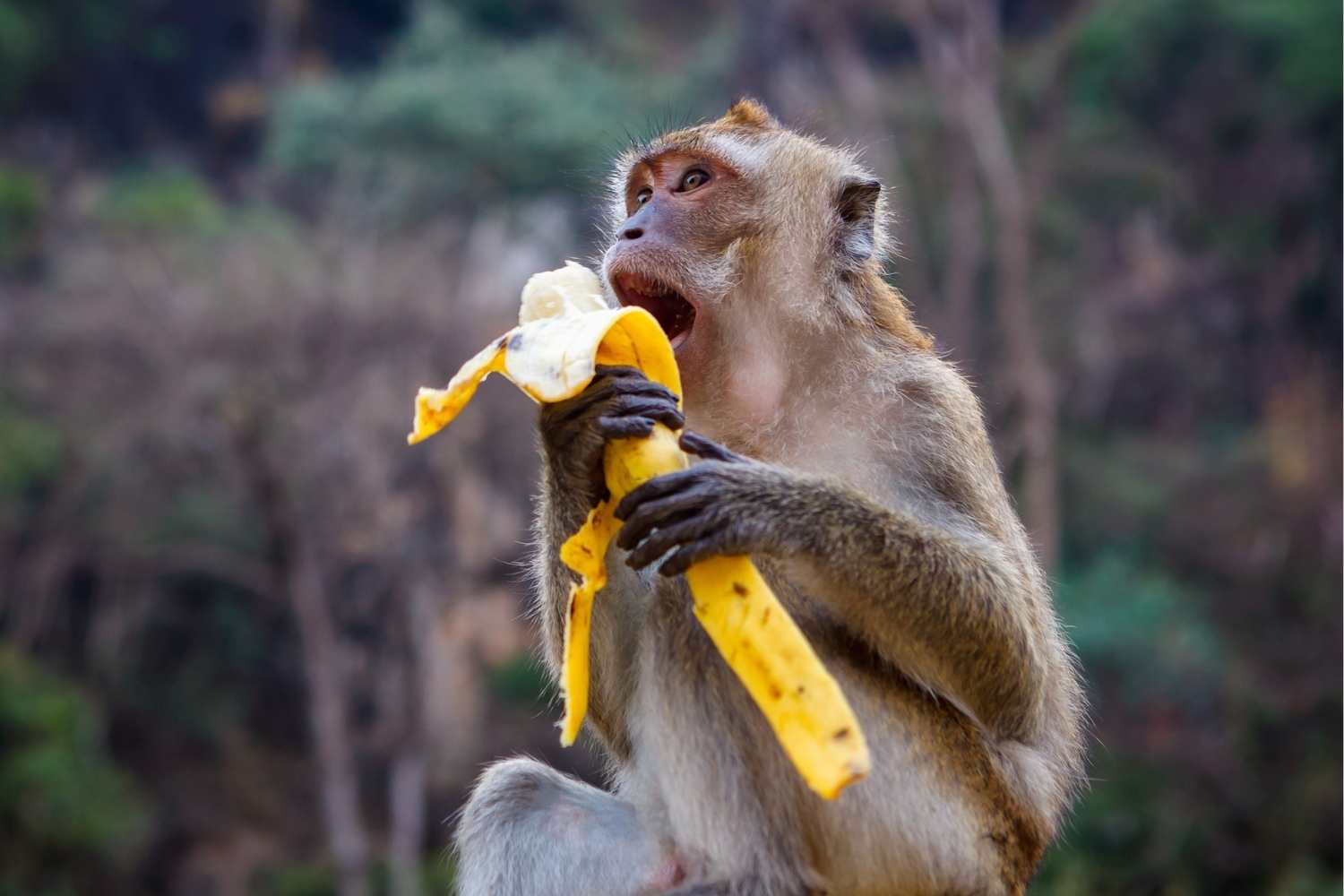
Take a Monkey to Lunch Day
Raising Awareness About Simian Species
Take a Monkey to Lunch Day is celebrated on July 21 every year and offers a unique opportunity to raise awareness about monkeys and other simian species in a fun and engaging way. It encourages learning about these fascinating creatures and their habitats while celebrating their importance in the natural world and then treating them to a meal!
How to Celebrate
Learn About Monkeys: Research different monkey species, their habitats, behaviors, and conservation efforts.
Educational Lunch: Pack a lunch that includes eco-friendly and sustainable foods, reflecting the natural diet of monkeys.
Donate so the Monkeys can enjoy a Lunch: Donate to a charity that supports monkeys and help provide for their meals.
Share Fun Facts: Share interesting facts about monkeys with friends and family during lunch or on social media.
Interesting Facts about Monkeys
Monkeys are fascinating creatures known for their intelligence, social behavior, and diverse adaptations. Here are some key points about monkeys:
Classification and Diversity:
Monkeys belong to the order Primates, which also includes humans, apes, and lemurs. They are broadly categorized into two groups: Old World monkeys (found in Africa, Asia, and Europe) and New World monkeys (found in Central and South America).
Physical Characteristics:
Monkeys vary greatly in size, from tiny pygmy marmosets weighing about 100 grams to large male mandrills that can weigh over 30 kilograms. They typically have long tails (though some species are tailless), opposable thumbs, and flexible limbs adapted for climbing and swinging in trees.
Behavior and Social Structure:
Monkeys are highly social animals, living in groups called troops or bands. Group sizes can range from a few individuals to several dozen, depending on the species. Social hierarchies often exist within groups, with dominant individuals having priority access to resources like food and mates.
Habitat and Diet:
Monkeys inhabit a wide range of habitats, including rainforests, savannas, mountains, and mangrove swamps. Their diet is diverse and varies by species but typically includes fruits, leaves, seeds, insects, and sometimes small vertebrates.
Communication:
Monkeys use a variety of vocalizations, facial expressions, and body language to communicate within their groups. Some species, like howler monkeys, are known for their loud calls that can carry over long distances to communicate with group members or deter rivals.
Conservation Status:
Many monkey species are facing threats due to habitat loss, hunting for bushmeat, and illegal wildlife trade. Conservation efforts focus on protecting their habitats, reducing human-wildlife conflict, and raising awareness about their importance in ecosystems.
Cultural Significance:
Monkeys have cultural significance in many societies, often appearing in folklore, mythology, and religious stories. They also play important roles in scientific research, offering insights into primate behavior, cognition, and evolutionary history.
Monkeys are crucial to the balance of their ecosystems, making them important subjects for conservation and research efforts worldwide. Their complex social behaviors and adaptability make them both fascinating and vital to understanding the natural world.
What Would You Pack in a Lunch for Monkeys?
Here are some general guidelines on what you might include in a lunch for monkeys:
Fruits:
- Bananas: Monkeys generally love bananas. They are easy to peel and provide quick energy.
- Apples: Sliced apples can be a crunchy and nutritious treat for many monkey species.
- Grapes: Seedless grapes can be a refreshing addition to their diet.
- Berries: Strawberries, blueberries, or raspberries can provide antioxidants and variety.
Vegetables:
- Carrots: Cut into sticks or coins, carrots are crunchy and rich in vitamins.
- Bell Peppers: Red, yellow, or green peppers provide vitamins and are also crunchy.
- Leafy Greens: Spinach, kale, or lettuce can be offered for their fiber and nutrients.
Protein:
- Nuts: Some monkey species enjoy nuts like unsalted peanuts, almonds, or walnuts in moderation.
- Seeds: Sunflower or pumpkin seeds can provide additional protein and healthy fats.
- Boiled Eggs: A boiled egg (without seasoning) can be a good source of protein.
Grains:
- Whole Grain Bread: Small pieces of whole grain bread can be offered.
- Cooked Rice: Plain cooked rice can be a simple addition to their meal.
Special Treats (in moderation):
- Dried Fruit: Small amounts of dried fruits like raisins or apricots can be a sweet treat.
- Yogurt Drops: Some monkey species may enjoy yogurt drops as an occasional treat.
- Mealworms or Crickets: Depending on the species, some monkeys may enjoy small insects as a source of protein.
Water:
- Provide fresh, clean water in a bowl or container that is easily accessible for the monkeys.
Tips:
- Variety: Offer a variety of foods to ensure they receive a balanced diet.
- Portion Sizes: Avoid overfeeding and provide appropriate portion sizes based on their size and dietary needs.
- Safety: Ensure all foods are free from pesticides, seasonings, and additives that could be harmful to monkeys.
- Observation: Monitor their response to different foods and adjust their diet accordingly.
Tips for Sharing on Social Media
-
Educational Posts: Share facts, photos, and videos of monkeys in their natural habitats.
-
Use Simian Emojis: 🐵🌿🐒
-
Include Hashtags: #TakeAMonkeyToLunchDay, #SimianAwareness, #WildlifeConservation
How This Holiday Unites People
Celebrate Take a Monkey to Lunch Day by raising awareness about monkeys and other simian species and uniting with others who share the common interests in Monkeys and conservation efforts.